Dennis C. Blair Quotes
I think you can go back in history and look at what the effect in Asia and the world was of a divided, fractured China from, you know, the opium wars through the Chinese civil war, and I don't think it was pretty for Asia or the world.
Blair, Dennis C. "Interview: Adm. Dennis Blair." Frontline, PBS, 2001.


In the 1920s and 1930s China was in chaos. Chiang Kai-shek and his Nationalists were officially the government but there was extensive corruption and local “leaders” who fought for control of territories and resources. Chinese were slaughtering each other daily not unlike Bosnia in the 1990s. The Japanese had moved into Manchuria using the pretext that they were saving China by bringing order and security. (In reality they were trying to control additional territory to populate with their rapidly expanding population.) The U.S. opposed the Japanese aggression but privately warned the Chinese Nationalists that they had better get control of the nation. The Nationalists never did. The Japanese expanded into much more of China beginning WWII in Asia. The Nationalists and the communists joined forces to fight the Japanese and after the war, the communists won the allegiance of most of the people. The Chinese government was finally unified, but under the communists.


At the time our strongest allies in the Middle East were Monarchies, dictatorships, and Principalities. See {586706}

Andrew Carnegie was then President of the New York Peace Society.


Peruvian Revolutionary Group. This speech was made from prison.


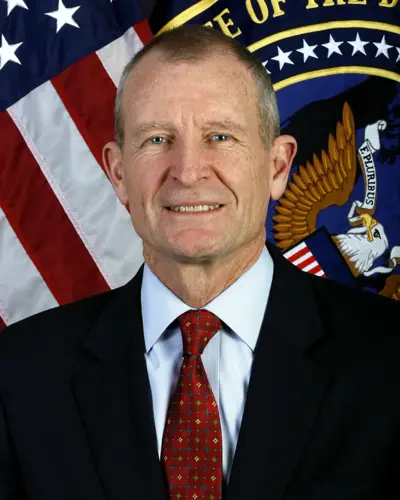
Dennis Cutler Blair is the former United States Director of National Intelligence and is a retired United States Navy admiral who was the commander of U.S. forces in the Pacific region. Blair was a career officer in the U.S. Navy and served in the White House during the presidencies of both President Jimmy Carter and President Ronald Reagan. Blair retired from the Navy in 2002 as an Admiral. In 2009, Blair was selected as President Barack Obama’s first Director of National Intelligence, but after a series of bureaucratic battles, he resigned on May 20, 2010.
