David Baltimore Quotes
I think we can allow the therapeutic uses of nuclear transplant technology, which we call cloning, without running the danger of actually having live human beings born.
Baltimore, David. Interview by Charlie Rose. Charlie Rose, PBS, 2 Jan. 2003.


This is a classic example of a legislator, concerned about the ethics and morality of certain types of scientific experiments, and not understanding the scientific meaning of the terms used, would also make illegal existing and important technologies and cures. In this case, he thinks of cloning as reproducing another exact human being, but we clone human cells every day to produce many of the beneficial medicines we use commonly. And the combination of animals and humans is common in many aspects of modern medicine. For burns the tissue of pigs is used to cover the wound and act as a scaffold on which human skin cells grow. There are millions of people in America and the rest of the world who are leading a normal life with a pig or a cow heart valve. There are ethical problems to be sure but most legislators have little clue as to what they are, and tend to want to outlaw whole areas of science out of their ignorance in in reaction to public pressure from others who do not understand what it is that they want to prohibit.


He prefaced his remarks by stating that he was speaking for himself and not the Commission.
In this case, some anti-abortion advocates who opposed stem cell medical research with fetal stem cells objected also to use of stem cells that were produced by SCNT (Somatic Cell Nuclear Transfer). They tried to stop such research in New York State on the grounds that there was a law prohibiting the use of state funds for Human Cloning. They then took the position that SCNY was a form of human cloning. Although almost all biological scientists disagreed, but the decision had to be made by the courts. Judge Garry’s NY Appellate Court opinion conformed the law and the science.


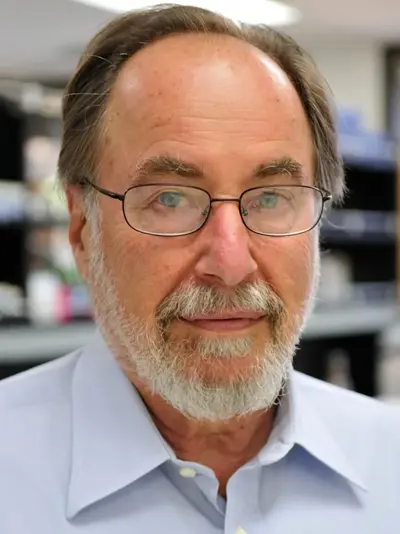
David Baltimore is an American biologist, university administrator, and 1975 Nobel laureate in Physiology or Medicine. He is currently President Emeritus and Distinguished Professor of Biology at the California Institute of Technology (Caltech), where he served as president from 1997 to 2006. He also served as the director of the Joint Center for Translational Medicine, which joined Caltech and UCLA in a program to translate basic scientific discoveries into clinical realities. He also formerly served as president of Rockefeller University from 1990 to 1991, founder and Director of the Whitehead Institute of Biomedical Research from 1982 to 1990, and was president of the American Association for the Advancement of Science in 2007.
