Gilda Radner Quotes
I love being a woman. You can cry. You get to wear pants now. If you're on a boat and it's going to sink, you get to go on the rescue boat first. You get to wear cute clothes. It must be a great thing, or so many men wouldn't be wanting to do it.
Radner, Gilda. It's Always Something. Simon & Schuster, 1989.


Her plane and she were never found.


Mrs. Roosevelt thought that with the rate of improvement in society’s perception and treatment of women was improving so steadily that women in America were not far from equality. Because of the shortage of men on the home front in WWII women had performed well in virtually all occupations including welding, heavy construction and management and it was just a matter of time to reach equality of pay and parity. However, she and most feminists did not take into account the 2 million men returning from military service who wanted their jobs back. Sexists, who had been suppressed during the war when they objected to women in non traditional occupations, were no longer silenced by national necessity. An occupational backlash developed. Then a sexual one regarding contraception and family planning, (Condoms for example were illegal up to 1963 as birth control device). Each major step forward was accompanied by its own backlash and even in the Presidential Campaign of 2012 contained debate on women’s control over their own bodies relative to abortion and contraception.


She was the First Lady, who in many ways was also one of the nation’s leading feminists. Betty Ford, Barbara Bush, and Hillary Clinton were also First Ladies who supported key feminist position but ER was 30 years ahead of them—a time when conservatives and sexists viewed her as a dangerous radical. For example, see {585211}.

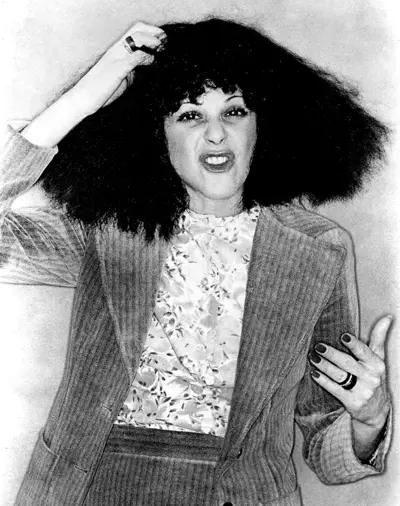
Gilda Susan Radner was an American actress and comedian, who was one of the seven original cast members for the NBC sketch comedy show Saturday Night Live (SNL). In her routines, Radner specialized in parodies of television stereotypes, such as advice specialists and news anchors. In 1978, she won an Emmy Award for her performances on the show. She also portrayed those characters in her highly successful one-woman show on Broadway in 1979. Radner's SNL work established her as an iconic figure in the history of American comedy.
