Jane Austen Quotes
I know so many who have married in the full expectation and confidence of some one particular advantage in the connection, or accomplishment, or good quality in the person, who have found themselves entirely deceived, and been obliged to put up with exactly the reverse. What is this but a take in?
Austen, Jane. Mansfield Park. T. Egerton, 1814.


Monte and several over Republicans had agreed to serve on his Hispanic Advisory Committee of his Campaign for the Presidency. However, Trump made some very insulting generalizations about Hispanic immigrants for example calling them "rapists". The Committee and most other Republican Leaders had informed Trump that his rhetoric was counter productive and turning off minority voters. Trump had indicated that he would change his approach and soften his policies and his rhetoric against immigrants and minorities, and seemed to do that in a =visit with the President of Mexico. He returned to the United States and held a major rally where Monte's Committee and the Republican National Committee understood that he would pivot and take a new approach. He delivered the speech with the members of the Hispanic Advisory Committee behind him, and then surprised them all and went back to his hard line, insulting positions and rhetoric that had distressed many before. Monto and other members to the Hispanic Advisory committee resigned in protest and were particularly resentful that Trump would use them as in his speech that was televised when Trump must have known that he was going back to his original positions to which they had objected.


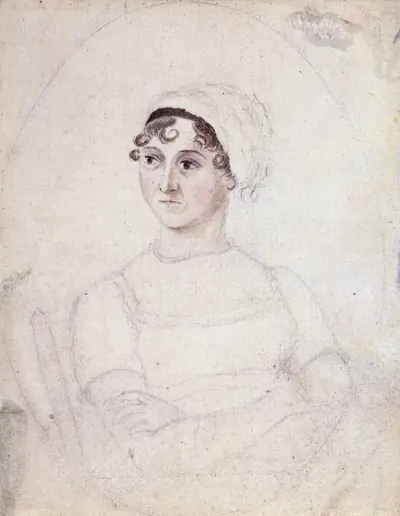
Jane Austen was an English novelist known primarily for her six major novels, which interpret, critique and comment upon the British landed gentry at the end of the 18th century. Austen's plots often explore the dependence of women on marriage in the pursuit of favourable social standing and economic security. Her works critique the novels of sensibility of the second half of the 18th century and are part of the transition to 19th-century literary realism. Her use of biting irony, along with her realism, humour, and social commentary, have long earned her acclaim among critics, scholars, and popular audiences alike.
