Adlai Stevenson I Quotes
I have tried to talk about the issues in this campaign... and this has sometimes been a lonely road, because I never meet anybody coming the other way.
Stevenson, Adlai E. The Papers of Adlai E. Stevenson, Volume IV. Edited by Walter Johnson, Little, Brown and Company, 1974.

The ex-president was speaking at the 9-11 memorial park where American Heroes fought the hijackers who wanted to crash Flight 93 into the White House and crashed the plane with all onboard dead. The Department of the Interior and millions of Americans had planned a memorial, but after 10 years from 9-11, they were still $10 million short of the needed amount. Congress was polarized about spending any money for everything that was not military or security oriented. Millions of other Americans didn’t want the Federal Government to spend another dollar. Politicians were afraid to ask for funds at the time. Clinton endorsed the need for the money from private and public sources and told the politicians, the corporations and the public. He ended his urging with the words of the heroes of the hijacked plan heroes when the decided to fight back, knowing that they would probably die. Clinton’s audience found the speech inspiring and it was far from unpopular, but it was vintage Clinton, at that point, the most popular politician in the nation.


She was found guilty and executed a few days later. The non violent resistance tactics were so threatening to the Nazi German regime that Sophia and other members were executed by guillotine beheading as a particularly harsh example. The graphic is a postage stamp that Germany has issued in her honor.


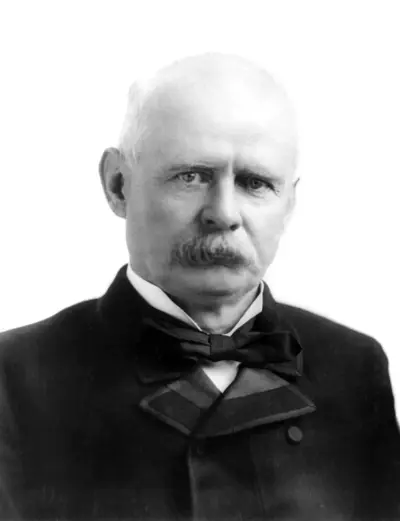
Adlai Ewing Stevenson served as the 23rd vice president of the United States from 1893 to 1897. Previously, he served as a representative from Illinois in the late 1870s and early 1880s. After his subsequent appointment as assistant postmaster general of the United States during Grover Cleveland's first administration (1885–1889), he fired many Republican postal workers and replaced them with Southern Democrats. This earned him the enmity of the Republican-controlled Congress, but made him a favorite as Grover Cleveland's running mate in 1892, and he duly became vice president of the United States.
