Graham Greene Quotes
I have often noticed that a bribe has that effect - it changes a relation. The man who offers a bribe gives away a little of his own importance; the bribe once accepted, he becomes the inferior, like a man who has paid for a woman.
Greene, Graham. The Heart of the Matter. Heinemann, 1948, p. 110.


Henry Wheeler Shaw 1818-1885


Franklin was the superstar of his day in terms of popularity—especially in Europe. However, his informal, social style together with his late hours and popularity with the ladies, together with the fact that he seemed on good social terms with even enemies developed a combination of jealousy, frustration and even suspicion by some of his diplomatic colleagues.


This is a common rejoinder of third world country leaders to accusations of Western democracies about corruption. And doubtless it is true. However temptation has never been a good defense of improper behavior.

It took until the Presidency of Theodore Roosevelt until monopolies were regulated. Like many of the rapacious businessmen of his era, bribery of public officials was so common that he had no problem admitting this to a reporter who was interviewing him. His father Cornelius, one of the great, creative industrialists of America, was not at all of the same mindset or the same corrupt character and saw corporations and the Railroads as having an important role in America with substantial obligations to the society which enabled the economic development and supported the railroads. He described his son as a “blockhead”. William goes down in American history as the arrogant industrialist and capitalist whose wealth was produced by his talent of being born to the right father who built the great empire. At that time the bribery of members of Congress was direct with cash going directly into their pockets, unlike modern times where it is indirect in the form of Campaign contributions.


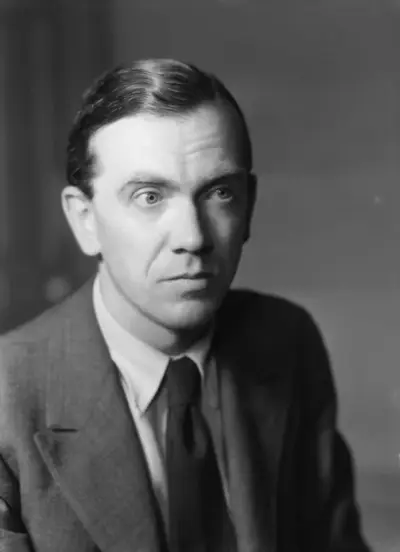
Henry Graham Greene OM CH was an English writer and journalist regarded by many as one of the leading English novelists of the 20th century. Combining literary acclaim with widespread popularity, Greene acquired a reputation early in his lifetime as a major writer, both of serious Catholic novels, and of thrillers (or "entertainments" as he termed them). He was shortlisted, in 1966 and 1967, for the Nobel Prize for Literature. Through 67 years of writing, which included over 25 novels, he explored the ambivalent moral and political issues of the modern world.
