Voltaire Quotes
I have never made but one prayer to God, a very short one: 'O Lord make my enemies ridiculous.' And God granted it.
Voltaire. Œuvres complètes de Voltaire. Vol. 45, Garnier Frères, 1881, p. 265.


As a slave holder himself, this was a dramatic statement. Slavery was immoral, God’s justice will not be on the white slave owners side, a slave revolt or other event could occur and change things radically. One great puzzlement of American history has been why Jefferson, who wrote so eloquently against slavery and predicted the disaster that would come. would himself keep his slaves and never free them as George Washington did. Some argue that he was so broke financially, that he could not afford to free them.


The Bull was directed at French King Louis VII. On Christmas Eve the year before Zengi had broken into the city of Edessa and massacred the French inhabitants. This was the Proclamation of the start of the 2nd Crusade. Note that the Pope, in order to raise troops and money for the Crusades, used the remission of previous sins to motivate Pietro dei Paganelli di Montemagno


The hatred of the English was so great in Germany during WWI that this phrase substituted for the usual “Good Morning” and “Good Bye” etc.

On May 26, 1887 President Grover Cleveland, himself a Union Army Civil War veteran, issued an Executive Order providing that the captured Confederate regimental flags held as trophies by the War Department be returned to the States of the regiments from which they were captured. Union veterans were outraged:. Within three weeks the president rescinded the order, caving in to pressure from the major veterans organization of the day, The Grand Army of the Republic. Many years later President Theodore Roosevelt ordered the flags returned to the former Confederate states.

“Small” in this case refers to the quality of the grinding of the mill. The smaller the grains the better the milling. So the proverb says that although slow, it is very effective.


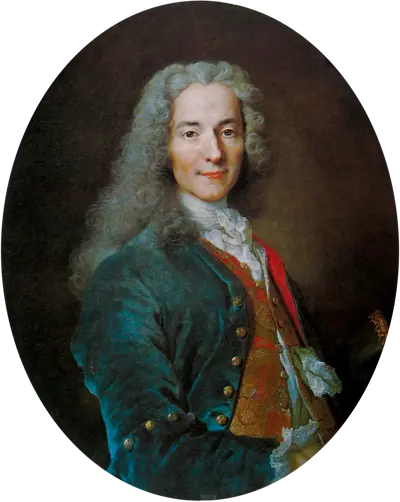
François-Marie Arouet, known by his nom de plume Voltaire (/vɒlˈtɛər, voʊl-/; also US: /vɔːl-/; French: [vɔltɛːʁ]), was a French Enlightenment writer, historian, and philosopher famous for his wit, his criticism of Christianity—especially the Roman Catholic Church—as well as his advocacy of freedom of speech, freedom of religion, and separation of church and state.
