Booker T. Washington Quotes
I dread the idea of seeming to intrude my views too often upon the public
Compared this to public figures a century later where a major object was to “intrude” views upon the public as much as possible. Washington was not unusual for the time. Shortly thereafter Theodore Roosevelt would change the face of politics by reaching the public skillfully and often. Others continued the approach to public opinion and even expanded the practice. Today, we look back at the pre TR days and think of remarks like this one as “quaint.”
Booker T. Washington, 1856-1915, President, Tuskegee Institute, Interview, The Atlanta Constitution, 1900
Sourced by: Eigen's Political and Historical Quotations

Stimson had been a key member of the Theodore Roosevelt national administration, and Roosevelt, before he became Vice President and then President had been a very popular governor of NY. Stimson, although a brilliant administrator, and statesman was a bit stuffy and aloof and was a terrible campaigner. He thought it immodest to refer to himself in public or to talk about his record. So the Republicans tried to tie him to Roosevelt who was still very popular. See {589268}. It was not enough. Stimson lost.

This Biblical injunction is almost never followed by politicians—even the most religious ones.


Stimson had run for the New York Governor and had lost. Stimson had been offered by President Taft the job of Secretary of State, and asked TR’s advice as to whether to take it. Stimson became Secretary of State.


This is the earliest use of “spin” and “spin doctors” in a political context that we have found.


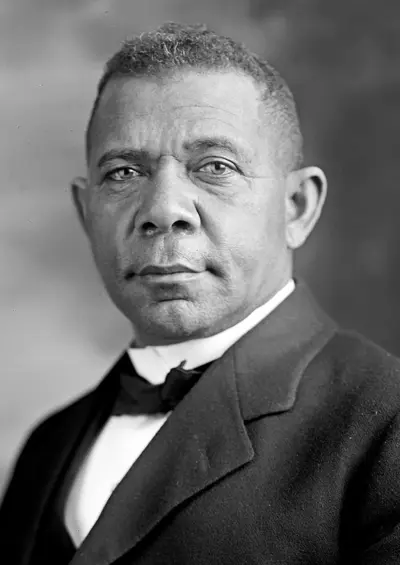
Booker Taliaferro Washington was an American educator, author, orator, and adviser to several presidents of the United States. Between 1890 and 1915, Washington was the dominant leader in the African American community and of the contemporary black elite. Washington was from the last generation of black American leaders born into slavery and became the leading voice of the former slaves and their descendants. They were newly oppressed in the South by disenfranchisement and the Jim Crow discriminatory laws enacted in the post-Reconstruction Southern states in the late 19th and early 20th centuries.
