Abbas Kiarostami Quotes
I didn't just see myself as a film director here [in Life And Nothing More], but also as an observer of people who had been condemned to death.
Kiarostami, Abbas. Abbas Kiarostami: Interviews. Edited by Mehrnaz Saeed-Vafa, University Press of Mississippi, 2018.


Kozinski was a supporter of captial punishment, but beileved it important that society was very slear about what it was doing. Executing a man is a very brutal process, and shen society determines that it is necessary, it shoud face the fact and the reality of the decision it is making. Hence he favored public executions


Louis Eugene Walcott. Malcolm X had criticized Elijah Mohammed for sexual behavior with staff.


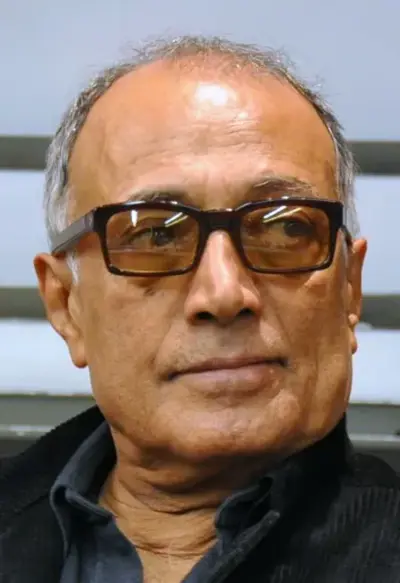
Abbas Kiarostami was an Iranian film director, screenwriter, poet, photographer, and film producer. An active film-maker from 1970, Kiarostami had been involved in the production of over forty films, including shorts and documentaries. Kiarostami attained critical acclaim for directing the Koker trilogy (1987–1994), Close-Up (1990), The Wind Will Carry Us (1999), and Taste of Cherry (1997), which was awarded the Palme d'Or at the Cannes Film Festival that year. In later works, Certified Copy (2010) and Like Someone in Love (2012), he filmed for the first time outside Iran: in Italy and Japan, respectively. His films Where Is the Friend’s Home?, Close-Up, and The Wind Will Carry Us were ranked among the 100 best foreign films in a 2018 critics' poll by BBC Culture. Close-Up was also ranked one of the 50 greatest movies of all time in the famous decennial Sight & Sound poll conducted in 2012.
