Sebastian Junger Quotes
I cannot think of any moral definition of anti-war that includes simply ignoring the slaughter of civilians.
The Syrian Civil War created a great dilemma for pacifists. The government of Syria was murdering civilians in large numbers if they were in areas suspected of containing rebels. Diplomacy and sanctions would not stop the slaughter. It appeared that the only way to stop the murder of so many civilians was to use military force against the Syrian government. Junger posed the moral dilemma this way.
Sebastian Junger, Journalist and Author, War correspondent, “When force offers the best chance for peace”, The Washington Post, September 15, 2003
Sourced by: Eigen's Political and Historical Quotations


Calley was the officer who gave orders to kill men, women and children of My Lai, a Vietnam village which Army intelligence felt had been sympathetic and given help and assistance to the Viet Cong. Calley was convicted by Court Marshall, but was released after serving a very light sentence. No one above Cally was held in any way responsible.

The possibility of intervention in the affairs of other counties even if there is no U. S. national interest involved, was not new when the George W. Bush administration sent troops to Somalia and Bill Clinton bombed Serbia. There were appeals made “to our sympathies” and there were serious atrocities. But these modern Presidents were just following the policy clearly stated by Theodore Roosevelt in 1904.

Yet we continued to give the government aid.


This was a precursor of the total war views of William Tecumseh Sherman and Ulysses S. Grant during the American Civil War half a century later.


Paul tended to be one of the very few Republicans who did not favor American intervention in Syria.


Abu Ghraib was the prison in Iraq where prisoners were brutalized and treated illegally and immorally. Seymour Hirsh was the Pulitzer Prize-winning investigative journalist who broke the story. Levy contrasted that where the Algerian War was full of such atrocities but French intellectuals and press would not publicize it. It didn’t stop for the whole war.


This statement was made before the 2012 Syrian Revolution.


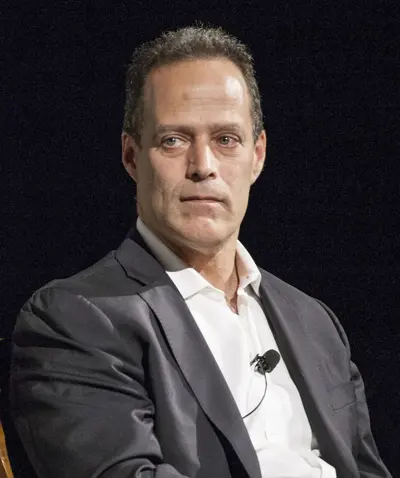
Sebastian Junger is an American journalist, author and filmmaker. He is noted for his book The Perfect Storm: A True Story of Men Against the Sea (1997), a creative nonfiction work which became a bestseller; and for his documentary films Restrepo (2010) and Korengal (2014), which won awards. He also wrote the book War (2010).
