Charles Dickens Quotes
I believe no satirist could breathe this air. If another Juvenal or Swift could rise up among us tomorrow, he would be hunted down. If you have any knowledge of our literature, and can give me the name of any man, American born and bred, who has anatomised our follies as a people, and not as this or that party; and who has escaped the foulest and most brutal slander, the most inveterate hatred and intolerant pursuit; it will be a strange name in my ears, believe me.
Dickens, Charles. The Life and Adventures of Martin Chuzzlewit. Chapman and Hall, 1844, p. 201.


The “burning” is a reference to the range of murders from the burning of heretics in the Middle Ages to the crematorium ovens of the German Concentration Camps in the Holocaust of WWII.


This quote is known as “Neuhaus’ Law.”


The 1st Amendment is almost absolute in its protection of speech. However, ironically the Untied States has much less internecine conflict with minorities better off than the nations where hate speech is illegal and criminal.


This became a critically important quotation a half century after it was made. Judge Hand articulated the majority Western and Judeo-Christian value proposition between dissent and heresy. However, for the majority of the Islamic world, the reverse represents the majority value that is held. There is a minority in the West that agrees that avoidance of heresy is paramount and a minority of the Muslim world that agrees that the protection of dissent is the more important value, but the two civilizations were at odds in the 20th and 21st centuries. However, Islam is about 600 years younger than Christianity. 600 years ago, the Christian world agreed with the Muslim society and prevention of heresy was the more important value. The Reformation and the enlightenment followed by the world example of America produced a transformation and this may occur in the majority of the Islamic world in time.


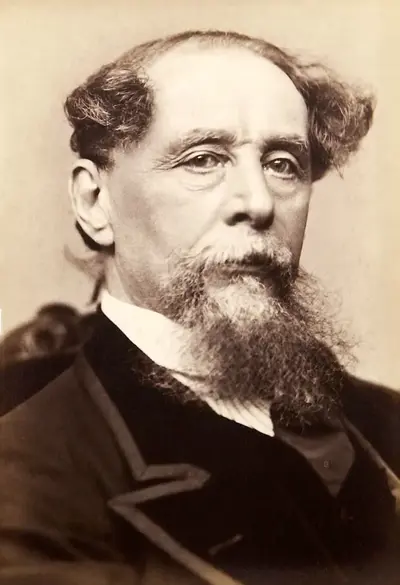
Charles John Huffam Dickens FRSA was an English writer and social critic. He created some of the world's best-known fictional characters and is regarded by many as the greatest novelist of the Victorian era. His works enjoyed unprecedented popularity during his lifetime and, by the 20th century, critics and scholars had recognised him as a literary genius. His novels and short stories are widely read today.
