Janos Kadar Quotes
I ask every Communist individually to set an example, by deeds and without pretense, a real example worthy of a man and a Communist, in restoring order, starting normal life, in resuming work and production, and in laying the foundations of an ordered life.
Kádár, János. "Broadcast by Janos Kadar on the Formation of the Hungarian Socialist Workers' Party, November 1, 1956." National Communism and Popular Revolt in Eastern Europe: A Selection of Documents on Events in Poland and Hungary, February-November, 1956, edited by Paul E. Zinner, Columbia University Press, 1956, pp. 464-467.


The King was asking for volunteers for the British Army. What is particularly interesting about this quote is the overt appeal to “men of all classes.” This illustrates that there was an extensive class system then operational in Britain. Almost all people knew to which class they belonged. A very popular King could then make a statement like this and no one was critical of his referring to citizens by class distinctions. Even in modern times, Britain is a more class conscious society than America. The response to this appeal was very good, but the First World War developed in such a way that huge manpower resources were needed and the King had to reluctantly assent to a military draft 7 months later.


What makes this quotation so noteworthy is that it not only demonstrates good leadership in a poor country, but it is one of the very few examples of poor countries where the leaders have given up their own creature comforts, conveniences, perks and status symbols.

“Liberalism” was a catch all Chinese term at the time which was very derogatory in Communist vernacular very much like the negative connotation of liberalism to American Conservatives at the turn of the millennium 1990-2010.


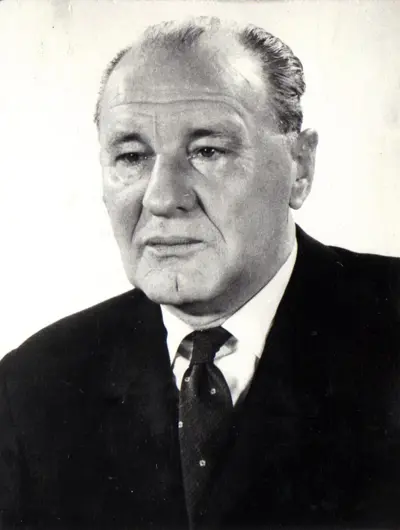
János József Kádár was a Hungarian communist leader and the General Secretary of the Hungarian Socialist Workers' Party, His 32-year term went through two stages. First (1956–1962), he was a dictator who imposed an iron-fisted rule of Communist Party terror on Hungary. In stage two (1962–1988) he became a champion of liberal communism who focused on economic reform and softening of police state methods. Declining health and declining political mastery, led to his retirement in 1988.
