Bill Mauldin Quotes
I always admired Patton. Oh, sure, the stupid bastard was crazy. He was insane. He thought he was living in the Dark Ages. Soldiers were peasants to him. I didn't like that attitude, but I certainly respected his theories and the techniques he used to get his men out of their foxholes.
During WWII, Mauldin was at the front lines and in the fox holes with the troops getting ideas for his cartoons most of which were drawn on the battle field. Much of that experience was with Patton’s Third Army. While Mauldin’s cartoons were wildly popular with the troops, some of the officers thought that the humor undermined discipline. Patton was one of those. See {629523}. Patton was somewhat mentally unbalanced with attitudes that were unacceptable to most Americans, but he was one of America’s greatest fighting generals of WWII.
Bill Mauldin, 1922-2003, Cartoonist, The Brass Ring, 1971
Sourced by: Eigen's Political and Historical Quotations

“Krauts” was a derogatory term for Germans. The American GIs loved Mauldin’s cartoons. However, much of the humor was directed at the Officers who were not as enthusiastic about the cartoons. The War Department didn’t agree with Patton and other officers who wanted the Mauldin Cartoons censored. They had determined that the cartoons were terrific for morale, and hence they printed them and distributed them to our troops the world over. See {629515} for Mauldin’s view of Patton.


For a number of years Eisenhower worked for MacArthur as a key aide.


While running for office he was trying to win the support of Republcian Conservatives who were very unhappyt with their percieved lack of progress in fighting ISIS. However, this was insulting to many military people--especiually since ISIS was being deprived of they sources of funding and oil trade, their leaders were being killed at a rapid rate, and they were losign most of their territory. After he won the Presidency, on the very night of his inaguration he then flip flopped and paraised the general leadship of the military. While most politicans had a certain degree of hypocricy, Trump could make totally contrdictory statements without any embarassment. See Quote 644331..


While running for office he was trying to win the support of Republcian Conservatives who were very unhappyt with their percieved lack of progress in fighting ISIS. However, this was insulting to many military people--especiually since ISIS was being deprived of they sources of funding and oil trade, their leaders were being killed at a rapid rate, and they were losign most of their territory. After he won the Presidency, on the very night of his inaguration he then flip flopped and paraised the general leadship of the military with this quotation. While most politicans had a certain degree of hypocricy, Trump could make totally contrdictory statements without any embarassment. See his earlier contracictory Quote 644332.


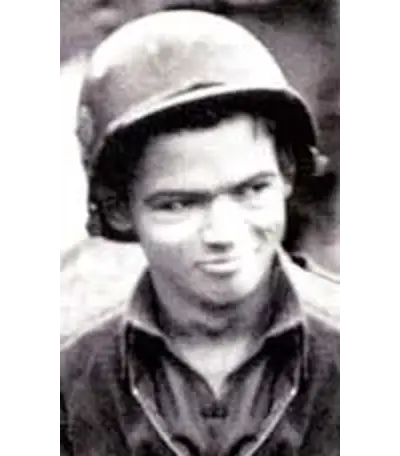
- Born: October 29, 1921
- Died: January 22, 2003
- Nationality: American
- Profession: Cartoonist, Infantryman
William Henry Mauldin was an American editorial cartoonist who won two Pulitzer Prizes for his work. He was most famous for his World War II cartoons depicting American soldiers, as represented by the archetypal characters Willie and Joe, two weary and bedraggled infantry troopers who stoically endure the difficulties and dangers of duty in the field. His cartoons were popular with soldiers throughout Europe, and with civilians in the United States as well. However, his second Pulitzer Prize was for a cartoon published in 1958, and possibly his best-known cartoon was after the Kennedy assassination.
