Henry George Quotes
How vainly shall we endeavor to repress crime by our barbarous punishment of the poorer class of criminals so long as children are reared in the brutalizing influences of poverty, so long as the bite of want drives men to crime.
George, Henry. Progress and Poverty. W. M. Hinton & Co., 1879, p. 415.


Olasky and many religiously oriented analysts, believe that public shame shapes and controls behavior and if a society does not have a set of recognized norms, and every person is free to determine his own propriety, there will be moral degeneration and there is no way to produce desirable social and political outcomes. This is perhaps the longest political and philosophical ongoing debate. In a society people cannot be free if there is fear, coercion and chaos with public safety primary. But how can this be produced unless there are generally accepted moral and behavioral codes like that of a religion. And then if one has that, and it is dominant, how can someone be free from the coercion of that morality or religious code? There must be freedom not to believe. Or must there be? Many say yes. Many others, especially orthodox leaders of most religions believe, No. Christian, Jewish and Muslim fundamentalists all say No, but then they insist that the norm be theirs.

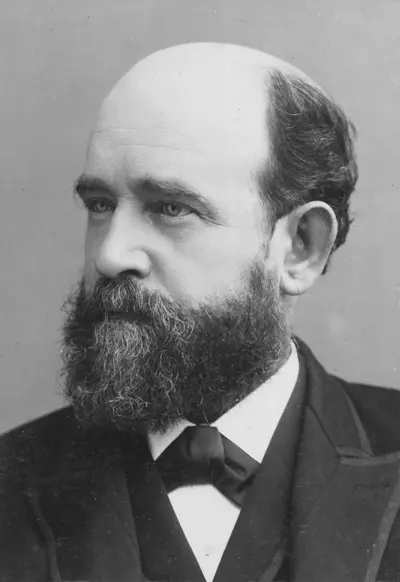
Henry George was an American political economist and journalist. His writing was immensely popular in 19th-century America and sparked several reform movements of the Progressive Era. He inspired the economic philosophy known as Georgism, the belief that people should own the value they produce themselves, but that the economic value derived from land (including natural resources) should belong equally to all members of society. He argued that a single tax on land would create a more productive, more just society.
