Upton Sinclair Quotes
Houses were sold with the idea that the people who bought them would not be able to pay for them..
This quotation has more than historical interest. The housing fraud technique of 1906 that Sinclair uncovered in his expose were essentially very similar to those that were used in the beginning of the 21st century on a much larger scale that contributed to the Meltdown of 2008, the Great Recession, and the weak housing industry for the next decade. The major difference is that by 2008, the banks and finance industry had developed ways to also get money from the taxpayer for the housing frauds. The expectation that the home buyer would not be able to keep making the mortgage payments was the key in both centuries.
Upton Sinclair, 1878-1968, Novelist and candidate for California governor (Democrat and Socialist), Description of how the poor immigrants were taken advantage of once they started working in the meatpacking plants, The Jungle, 1906
Sourced by: Eigen's Political and Historical Quotations


This quotation is classic as it digested the major reasons for the worst financial crises since the Great Depression into one paragraph that captured the essence of the problem. The great dispute has been ever since, who let this happen, who was supposed to stop it from happening, and who did what to correct the problem afterwards so that it would not happen again? In this situation, the Wall Street Houses had paid securities rating firms to give these bonds an AAA rating even though they were backed by very risky mortgages none of which had AAA ratings.

There was concern that there might be a housing bubble developing with consequent overpricing of houses. The bubble broke and when it did, it was sudden and dramatic with the Meltdown of 2008


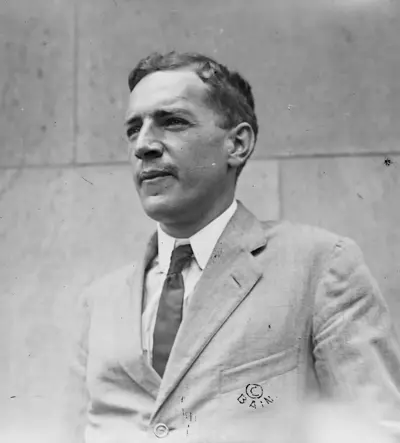
Upton Beall Sinclair Jr. was an American writer, political activist and the 1934 Democratic Party nominee for Governor of California who wrote nearly 100 books and other works in several genres. Sinclair's work was well known and popular in the first half of the 20th century, and he won the Pulitzer Prize for Fiction in 1943.
