Calvin Coolidge Quotes
Honorable Senators: My sincerest thanks I offer you. Conserve the firm foundations of our institutions. Do your work with the spirit of a soldier in the public service. Be loyal to the Commonwealth and to yourselves and be brief; above all be brief.
Coolidge, Calvin. "Have Faith in Massachusetts." 7 Jan. 1914, Boston, MA. Have Faith in Massachusetts: A Collection of Speeches and Messages, Houghton Mifflin Company, 1919, p. 9.


Trump, generally insulted and trashed most people and groups that he was critical of. He had just accused the intelligence agancies of undermining him, his administration and the country because there were statements and leaks thet he believed emenated form the intellegence agancies. As usual, he offered no evidence for his beliefs.


Political ideologues like Abrams distrust and disrespect civil service officials. Abrams and his colleagues are most critical of the civil service’s alleged lack of loyalty to the President. However, he forgets and most people never realize that all Civil Servants when they take their oath of office pledge their loyalty to the Constitution and not to the President. Many of them criticize presidential, political party and ideological loyalists like Abrams because even Abrams and other Presidential appointments swear an oath to the Constitution and not the President or a political party.


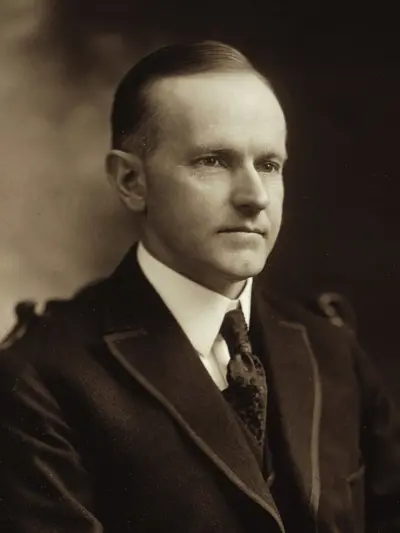
Calvin Coolidge was an American lawyer and politician who served as the 30th president of the United States from 1923 to 1929. A Republican lawyer from New England, born in Vermont, Coolidge worked his way up the ladder of Massachusetts state politics, eventually becoming governor of Massachusetts. His response to the Boston Police Strike of 1919 thrust him into the national spotlight and gave him a reputation as a man of decisive action. The next year, he was elected the 29th vice president of the United States, and he succeeded to the presidency upon the sudden death of Warren G. Harding in 1923. Elected in his own right in 1924, he gained a reputation as a small-government conservative and also as a man who said very little and had a rather dry sense of humor.
