Manu Quotes
His enemy must not know his weaknesses, but he must know the weaknesses of his enemy; as the tortoise (hides its limbs), even so let him secure the members (of his government against treachery), let him protect his own weak points.
Manava Dharma Shastra. Espionage and counter espionage was called for in “good government Ancient Hindu style.” This text is a part of the Hindu Holy Texts. Hindus believe that Manu was a prophet whose text is revealed or inspired.
Manu, ~ 500 BC, Hindu Teacher from India, Laws of Manu
Sourced by: Eigen's Political and Historical Quotations


Plan Orange was the code name of the united states plan for possible war with Japan. In this ironic quotation, American military planners realized five years before Pearl Harbor that surprise attack was the major vulnerability. We were surprised and had no help from our intelligence service which despite the recommendations was almost nonexistent.


Manava Dharma Shastra. Preparedness and the Defense Budget was ever important in Ancient India. This text is a part of the Hindu Holy Texts. Hindus believe that Manu was a prophet whose text is revealed or inspired.


He was discussing the genetic atrocities, genocide and ethnic cleansing, and the murdering of scientists that had been justified by governments for national security reasons especially the murder of Russian geneticists by Stalin in Russia.


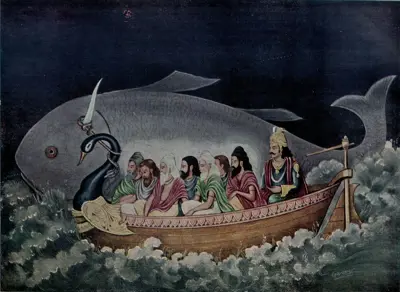
Manu (Sanskrit: मनु) is a term found with various meanings in Hinduism. In early texts, it refers to the archetypal man, or to the first man (progenitor of humanity). The Sanskrit term for 'human', मानव (IAST: mānava) means 'of Manu' or 'children of Manu'. In later texts, Manu is the title or name of fourteen mystical Kshatriya rulers of earth, or alternatively as the head of mythical dynasties that begin with each cyclic kalpa (aeon) when the universe is born anew. The title of the text Manusmriti uses this term as a prefix, but refers to the first Manu – Svayambhuva, the spiritual son of Brahma.
