Julian Lincoln Simon Quotes
Greater consumption due to increase in population and growth of income heightens scarcity and induces price run-ups. A higher price represents an opportunity that leads inventors and businesspeople to seek new ways to satisfy the shortages. Some fail, at cost to themselves. A few succeed, and the final result is that we end up better off than if the original shortage problems had never arisen. That is, we need our problems, though this does not imply that we should purposely create additional problems for ourselves.
Simon, Julian L. The Ultimate Resource 2. Princeton University Press, 1996, p. 58.


Colman’s view that business failures contributing to society may be more important than the contributions of the wealthy and successful has been a common theme where failed business men make great politicians (Truman) or failed politicians are appreciated as great philosophers (Paine). This seems to be the first American argument that a failed economic enterprise can have a very beneficial short and/or long term effect on economic development. The failed business could start an entire industry which succeeds later when technology or capital becomes more readily available, or even if implemented by a better manager. Arguably, the California gold rush miners never made any significant money, but their presence changed the economic fact of California. The American airline industry has made little or no money in its history but has enabled development throughout the nation. And the dot com bubble may well have been an economic debacle of the end of the 20th century, but it spurred economic development that has benefited the entire globe.


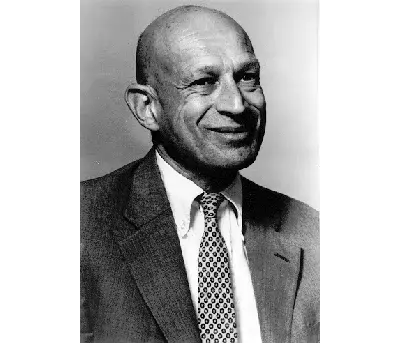
Julian Lincoln Simon was an American professor of business administration at the University of Maryland and a Senior Fellow at the Cato Institute at the time of his death, after previously serving as a longtime economics and business professor at the University of Illinois at Urbana-Champaign.
