Harold Stassen Quotes
Government is like fire. If it is kept within bounds and under the control of the people, it contributes to the welfare of all. But if it gets out of place, it gets too big and out of control, it destroys the happiness and even the lives of the people.
Harold Stassen, 1907-2001, Governor of Minnesota (Republican), Special Assistant to the President for Disarmament, Frequent unsuccessful candidate for Republican presidential nomination, President of the University of Pennsylvania, Quoted in Peter McWilliams, Ain’t Nobody’s Business If You Do
Sourced by: Eigen's Political and Historical Quotations


This quotation not only illustrates the typical Southern attitude at the time as the issue of Slavery began to be the subject of Federal governmental debate, but it also illustrates the incredible party flip flops over time. Ritchie was one of the leading Democratic Politicians of his day, and it was the Democrats who were opposed to Government. However, people without a knowledge of early American History might think that this quotation came from right wing Republicans of the early 21st century. By then, it was the Democrats who saw the important role of government. The Democrats were then extreme enemies of the Federal Government and were against freedom for Blacks and their rights, that the Republican Party was created and used government more than most Americans ever thought possible, ended slavery and permitted Negro voting and equality. Almost 200 years later it was the Democrats who were espousing the old Republican Views, and the Republicans holding the old Democratic view of government and adopting a more passive view on racial equality and justice.


Samuel Langhorne Clemens, 1835-1910. Even in a democracy, governments often enact laws that the public disapproves of and fails to enact others that the public wants. Most taxes are examples of the former; gun control legislation, of the latter.

L. P. Jacks


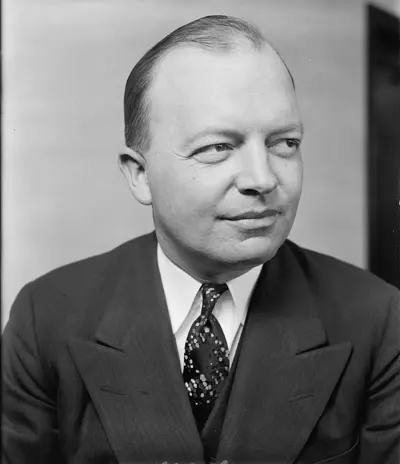
Harold Edward Stassen was an American politician who was the 25th Governor of Minnesota. He was a leading candidate for the Republican nomination for President of the United States in 1948, considered for a time to be the front-runner. He thereafter regularly continued to run for that and other offices, such that his name became most identified with his status as a perennial candidate.
