Algernon Sidney Quotes
God leaves to Man the choice of Forms in Government; and those who constitute one Form, may abrogate it.
Sidney, Algernon. Discourses Concerning Government. Printed by J. Darby, 1698, ch. 1, sec. 6.


Anthony Ashley Cooper

There are some who have argued that the United States 20th century of world dominance was an empire. Perhaps so, but it did not have most of the characteristics that Thucydides and most others thought of as characteristics of empire—occupation of nations, rule by the Imperial country, privilege in other nations of the Empire, control. Most important, in historical empires, money—in the form of taxes or goods was commandeered by the Empire for the mother country. The US taxed no one, and money flowed the other way in the most generous sharing of foreign aid in human history. The United States had great influence and was able to exert economic and sometimes military pressure on many nations of the world; American culture was adopted by many nations, but America rarely behaved as Empires historically did.


The English Constitution is not as binding on the English government as is the Amercan Constitution. In the English system, the government in power can override the constitution although the rarely do so out of respect for the system. In America, the Constitution is much more controlling and hence would be seen to count for more. In many third world countries, the ruler can “suspend” the constitution in a national emergency.


Traditional political jurisdictional boundaries were geographic, but in one of the wisest decisions of English Colonial government, it was recognized that dealing with the Indians demanded a much different approach than the classic European extension of the Crown by appointing a Governor for a territory. As Superintendent of Indian Affairs, Johnson, had authority and responsibility for the Indians and relations with the Indians in Massachusetts and the other colonies, the Colonial Governor not withstanding. Bernard and the other Governors of course did not care for Johnson’s authority within his territory.


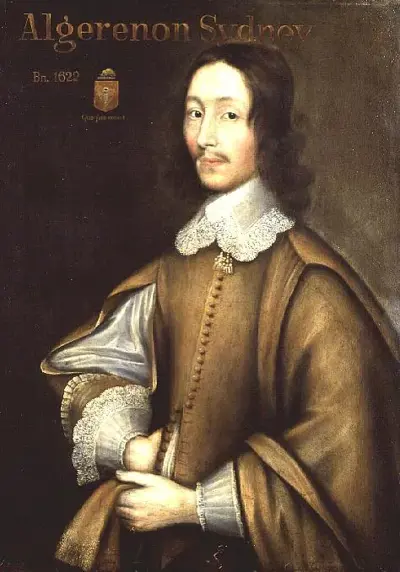
Algernon Sidney or Sydney was an English politician and member of the middle part of the Long Parliament. A republican political theorist, colonel, and commissioner of the trial of King Charles I of England, he opposed the king's execution. Sidney was later charged with plotting against Charles II, in part based on his most famous work, Discourses Concerning Government, which was used by the prosecution as a witness at his trial. He was executed for treason. After his death, Sidney was revered as a "Whig patriot–hero and martyr".
