Henry Ward Beecher Quotes
God is a being who gives everything but punishment in over measure.
Beecher, Henry Ward. Life Thoughts. Phillips, Sampson and Company, 1858, p. 110.


This is the basis for the practice of Saudi Arabia and a few other nations which are so decried by most nations and religions or the world. Modern Muslims and Muslim nations do not follow this Koranic prescription any more than Christians and Jews follow the Mosaic Law of the Bible regarding punishment that we would today regard as cruel and which has become very unusual.

This is a very interesting quotation in that it began as a bogus quotation. Someone made it up and posted it on the internet. Soon it had been picked up by many of the Internet quotation sites which just “scrape” other sites and do no research themselves. Soon it was all over the internet. When he appeared on Meet the Press, Tim Russert asked him about the attribution. He then embraced the quotation as representing his real feelings. In the area of the Internet, this phenomenon has been possible and in this case actually happened.


“Small” in this case refers to the quality of the grinding of the mill. The smaller the grains the better the milling. So the proverb says that although slow, it is very effective.

A massive earthquake struck Japan, destroying most of Tokyo and Yokohama. The deaths were so extensive that no official count was ever made. At the time, Japanese politics was polarized by two factions: One urged Japan to become democratic and modern like the West; the other, urged Japanese right wing militarism and expansionism. The shock of the Japanese population of such an enormous natural disaster, were seem by most Japanese as a punishment from God as Yasubumi and many other Japanese leaders stated. The reason for the punishment claimed by most was the recent adoption of Western ideas, lifestyles and particularly the trend away from traditional Japanese authoritarian government and toward Democracy. Japan then rejected democratic ideas and followed a militaristic, expansionistic, aggression leading directly to WWII.

Yazid ibn al-Walid ibn 'Abd al-Malik. This is an Islamic doctrine that operates to this day together with the stricture that a bad ruler must be endured and not revolted against UNLESS he does not follow his Islamic religious obligations. This is why many Islamic rulers curry favor with the clerics. As long as they do not claim he is violating the word of God, his rule is safe from revolution. However, if the clerics turn on him, he is in deep trouble. Thus Saudi Arabia endures a monarchy and the ruling family pays the Wahhabi enormous sums to avoid their religious condemnation.

As a slave holder himself, this was a dramatic statement. Slavery was immoral, God’s justice will not be on the white slave owners side, a slave revolt or other event could occur and change things radically. One great puzzlement of American history has been why Jefferson, who wrote so eloquently against slavery and predicted the disaster that would come. would himself keep his slaves and never free them as George Washington did. Some argue that he was so broke financially, that he could not afford to free them.


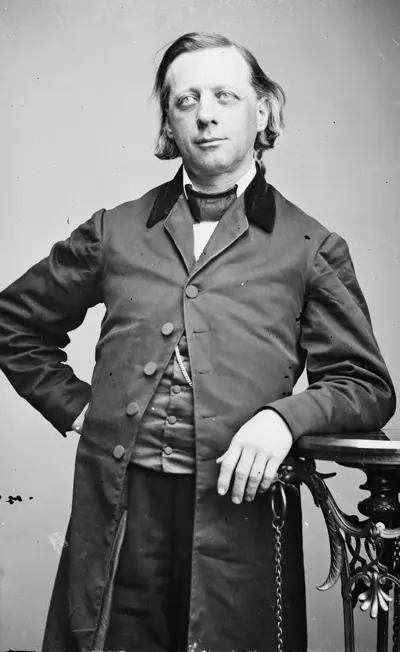
Henry Ward Beecher was an American Congregationalist clergyman, social reformer, and speaker, known for his support of the abolition of slavery, his emphasis on God's love, and his 1875 adultery trial. His rhetorical focus on Christ's love has influenced mainstream Christianity to this day.
