Ferdinand Buisson Quotes
For a long time, it was believed that war was waged by armies which could not be identified with the nation itself. Professional soldiers took upon themselves the job of defending national interests, and it was understood that the war affected only them; the country itself went on living and working.


The British and American bombing of Germany had become so effective that most of the German industrial system was destroyed. However, early in the War, Germany had violated the Geneva Convention and was indiscriminately bombing London and other part of England. In addition the German Air Force had bombed Warsaw, and many other cities throughout Europe. The German’s had killed over 20 million Europeans. When the Allied bombing produced high collateral damage against civilians, some argued that even though German had deliberately used this tactic, the allies should stop the saturated bombing if there were to be high civilian collateral damage. Others argued that it was unfortunate but a military necessity. There were others like Brenen, who argued that killing German women and children was desirable and just.


The day before, Helms’ deputy testified about the high number of civilian casualties that American bombing of North Vietnam had caused.


1st Earl Lloyd-George of Dwyfor

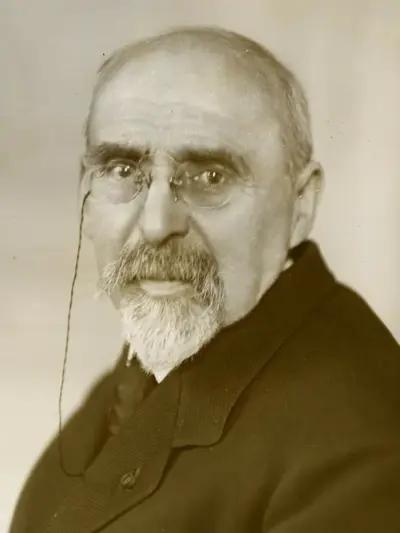
Ferdinand Édouard Buisson was a French academic, educational bureaucrat, pacifist and Radical-Socialist (left liberal) politician. He presided over the League of Education from 1902 to 1906 and the Human Rights League (LDH) from 1914 to 1926. In 1927, the Nobel Peace Prize was awarded to him jointly with Ludwig Quidde. Philosopher and educator, he was Director of Primary Education. He was the author of a thesis on Sebastian Castellio, in whom he saw a "liberal Protestant" in his image. Ferdinand Buisson was the president of the National Association of Freethinkers . In 1905, he chaired the parliamentary committee to implement the separation of church and state. Famous for his fight for secular education through the League of Education, he coined the term laïcité ("secularism").
