Henry A. Wallace Quotes
Fascism is a worldwide disease. Its greatest threat to the United States will come after the war, either via Latin America or within the United States itself.
Wallace, Henry A. "The Danger of American Fascism." The New York Times, 9 Apr. 1944, p. SM4.


The “Blue Shirts” were so called because of the color of the shirts that the young fascist thugs of the Nationalists wore in China—a color later adopted by the communists for dress. European Fascists tended to have young thug “enforcement” type battalions which were named for the color of their shirts: “Brown Shirts” in Germany, “Black Shirts” of the Fascist movement in England. Ironically, the Red Scare after WWII, convinced American leaders to support Chiang (who called himself and his party the “nationalists”) who was a deep admirer of fascism himself. Chiang’s version of Fascism which combined European type Fascism with traditional Asian warlordism and corruption alienated the majority of the Chinese peasants. America was forced to choose between Chiang led corrupt Nationalist fascists, and Mao led communists. We chose Chiang, but Mau and the Communists won. Chiang’s forces then seized Taiwan and this was the only part of China that did not go communist. After Chiang’s death, the island mini-nation became less fascist and more democratic, and by the 1990’s became a full-fledged democracy.


Evelyn John St. Loo Strachey

American Communist Party Newspaper. The communists were so supportive of the war effort that they were often unconditional defenders of the Roosevelt Administration’s war program. Most communists suspended their advocacy of labor strikes and Black enfranchisement during the war because it would ultimately lead to the weakening of the Allied efforts against the Nazis. Programs such as the “March on Washington Movement” were seen as untimely and therefore subversive and fascist. For more communist criticism of attempts during this period to further civil rights see {603312}

See Huey Long for a similar point of view.


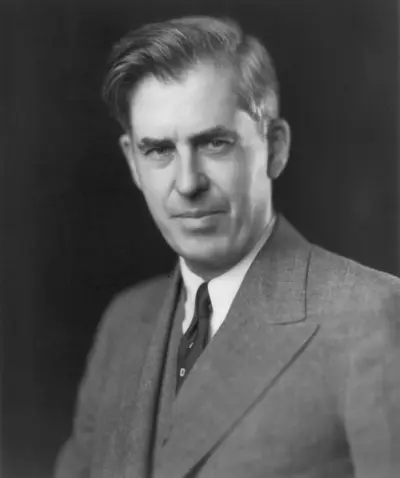
Henry Agard Wallace was an American politician, journalist, farmer and businessman who served as the 33rd vice president of the United States, as well as the 11th U.S. Secretary of Agriculture and the 10th U.S. Secretary of Commerce. He was also the presidential nominee of the left-wing Progressive Party in the 1948 election.
