Justin Raimondo Quotes
All the themes of incipient fascism are present, to some degree, in our present-day political culture: the fear of the Other, the need for a (powerless) scapegoat, including the theme of expansionism.
Raimondo, Justin. "Behind the Headlines." Antiwar.com, Randolph Bourne Institute, 2003.


American Communist Party Newspaper. The communists were so supportive of the war effort that they were often unconditional defenders of the Roosevelt Administration’s war program. Most communists suspended their advocacy of labor strikes and Black enfranchisement during the war because it would ultimately lead to the weakening of the Allied efforts against the Nazis. Programs such as the “March on Washington Movement” were seen as untimely and therefore subversive and fascist. For more communist criticism of attempts during this period to further civil rights see {603312}


See Huey Long for a similar point of view.


The Bureau of Alcohol, Tobacco and Firearms is


The “Blue Shirts” were so called because of the color of the shirts that the young fascist thugs of the Nationalists wore in China—a color later adopted by the communists for dress. European Fascists tended to have young thug “enforcement” type battalions which were named for the color of their shirts: “Brown Shirts” in Germany, “Black Shirts” of the Fascist movement in England. Ironically, the Red Scare after WWII, convinced American leaders to support Chiang (who called himself and his party the “nationalists”) who was a deep admirer of fascism himself. Chiang’s version of Fascism which combined European type Fascism with traditional Asian warlordism and corruption alienated the majority of the Chinese peasants. America was forced to choose between Chiang led corrupt Nationalist fascists, and Mao led communists. We chose Chiang, but Mau and the Communists won. Chiang’s forces then seized Taiwan and this was the only part of China that did not go communist. After Chiang’s death, the island mini-nation became less fascist and more democratic, and by the 1990’s became a full-fledged democracy.


In 1918 the Treaty of Versailles—peace treaty ending WWI—was signed. Many Germans felt that their defeat in WWI forced them to sign the treaty which weakened Germany and assured that they would be a 2nd rate power thereafter. After that Germans blamed every negative aspect of their government, economy and society on the treaty that was “forced” on them. Nazism was a consequence of these feelings, and the Nazis adopted policies and practices to get around their anti-military obligations and have a strong government so that the allies could not enforce the treaty obligations on Germany.

Evelyn John St. Loo Strachey

Germany before Hitler was a very narrow, formal, rigid, militaristic, class conscious, authoritarian, society.


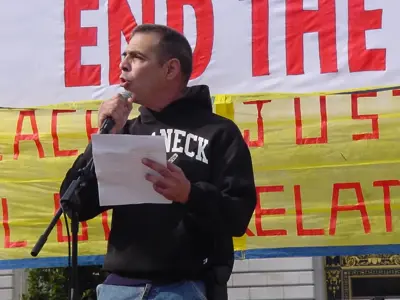
Justin Raimondo was an American author and the editorial director of Antiwar.com. He described himself as a "conservative-paleo-libertarian."
