J. L. Austin Quotes
Faced with the nonsense question 'What is the meaning of a word?' and perhaps dimly recognizing it to be nonsense, we are nevertheless not inclined to give it up.
Austin, J. L. "The Meaning of a Word." Philosophical Papers, edited by J. O. Urmson and G. J. Warnock, 3rd ed., Oxford University Press, 1979, p. 56.


Justice Holmes was explaining the shortcoming of taking words, spoken or written, literally and not looking further to try and determine the actual intent. This becomes a major legal issue when trying to determine the original intent of legislators of the framers of the Constitution. We all have written things which when interpreted to by others end up with a meaning different from what we intended. In the legislative process with the negotiations over wording, committees, and tradeoffs, it is often very hard to determine what the originators had in mind for in many situations they disagreed about the issue but ended up compromising on some specific language which might represent a consensus or might not even represent anyone’s view.


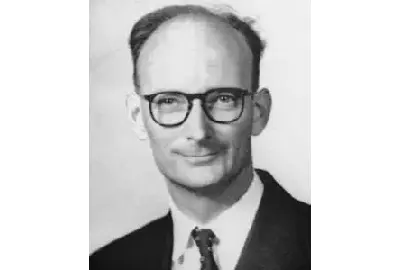
John Langshaw Austin was a British philosopher of language and leading proponent of ordinary language philosophy, perhaps best known for developing the theory of speech acts.
