Jonathan Franzen Quotes
Everything he did was at least partial and often total bullshit” (402).
Franzen, Jonathan. Freedom. Farrar, Straus and Giroux, 2010, p. 402.


Many politicians attempt to use the media to twist events so that they favor their program or party and attack any journalist who questions their version of reality or the truth. Although most journalists will let interviewees have their say without any comment, there are a few who take Koppel’s point of view.

MacArthur had been the Commander of our Military Forces in Korea. He had a huge ego, and he wanted to cross the border and attack China since Chinese Troops were aiding the North Vietnamese. He had previously assured the Joint Chiefs of Staff and the President that the Chinese would not send troops into Korea, but he was then wrong. And when they had attacked, they had erased the territorial gains that MacArthur had previously gained. The Joint Chief’s of Staff, the Secretary of Defense and the Secretary of State had decided upon a strategy which this time did not follow MacArthur’s strategic advice. The President approved the strategy, but MacArthur spoke and acted contrary. The President met with MacArthur and reiterated the strategy that the President approved. But MacArthur did not follow the orders of the Joint Chiefs. At the time, he and Eisenhower were America’s two most famous military leaders, and of the two MacArthur was senior and thought that he should be President. After he was fired, MacArthur addressed a Joint Session of Congress and gave his "Old Soldiers Never Die" speech which was his first active step towards the Presidency. It was a very sentimental speech with little content and nothing about why he had disobeyed orders. He was totally shocked when it was Eisenhower who was selected to run for President and not him.


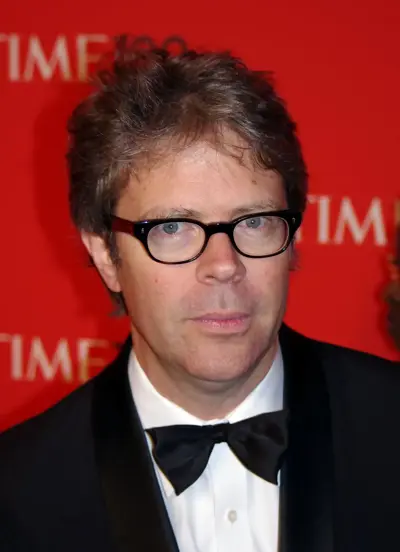
Jonathan Earl Franzen is an American novelist and essayist. His 2001 novel The Corrections, a sprawling, satirical family drama, drew widespread critical acclaim, earned Franzen a National Book Award, was a Pulitzer Prize for Fiction finalist, earned a James Tait Black Memorial Prize and was shortlisted for the International Dublin Literary Award. His novel Freedom (2010) garnered similar praise and led to an appearance on the cover of Time magazine alongside the headline "Great American Novelist".
