Philip Larkin Quotes
Everyone should be forcibly transplanted to another continent from their family at the age of three.
Larkin, Philip. Selected Letters of Philip Larkin 1940-1985. Edited by Anthony Thwaite, Faber and Faber, 1992.


Explaining apartheid to the European Press.

This is a very interesting quotation because it shows that the South American Indians were not only the victims of Spanish colonialism, but before Europeans ever set foot in the New World, expansionism, conquest and colonialism was alive and well. It was just that one Indian people imposed it on others. Note also the techniques of sending colonists to the new colonies to “civilize” the conquered peoples. Although this was common in Western History (even Alexander the Great used it, it was independently created as a colonial technique in the New World. The most extensive use of this technique was used by the Russians as that expanded to the Soviet Union the consequences of which we see in ethnic strife in the Balkans and the Ukraine even into the 21st century. Often these colonists were used as spies as well, in Peru {641657} as in all the Western examples.


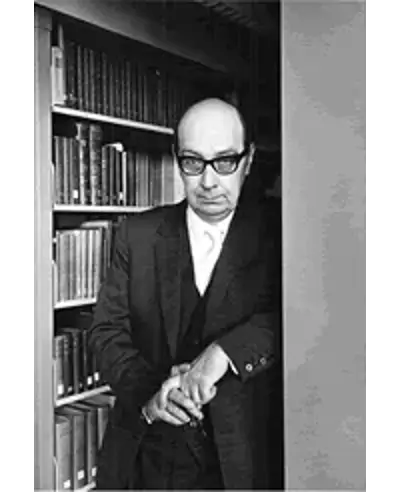
Philip Arthur Larkin CH CBE FRSL was an English poet, novelist, and librarian. His first book of poetry, The North Ship, was published in 1945, followed by two novels, Jill (1946) and A Girl in Winter (1947), and he came to prominence in 1955 with the publication of his second collection of poems, The Less Deceived, followed by The Whitsun Weddings (1964) and High Windows (1974). He contributed to The Daily Telegraph as its jazz critic from 1961 to 1971, articles gathered in All What Jazz: A Record Diary 1961–71 (1985), and he edited The Oxford Book of Twentieth Century English Verse (1973). His many honours include the Queen's Gold Medal for Poetry. He was offered, but declined, the position of Poet Laureate in 1984, following the death of Sir John Betjeman.
