Lenny Bruce Quotes
Every tribe needs a good front man to sell the program. Who better to convince the Middle East to give up the oil, than a brown man with a Muslim name?


He was referring to the tendency of Arab diplomats and leaders to privately assure U. S. leaders about issues and then go home and make speeches in Arabic completely different from their private assurances and commitments. He advocated ignoring all private statements by Arabs and paying attention only to what they say in their own country and in Arabic. For a good example of an Arab politician doing this, see {585490}.

Under President William Clinton the United States had been very popular abroad with Clinton greeted enthusiastically in most part of the world. When President George W. Bush took office the image of America took a downward plunge to one of the lowest points in American History. Many like Hyde could not understand why the United States could not present its image better. Others claimed that Bush and his policies and practices were so unpopular that media techniques and public diplomacy could not change reality.
This was an incredible admission for the man who was supposed to resolve the Middle East Conflict where Terrorism was the major issue. He of course could define terrorism but as a diplomat felt that it would not be diplomatic to call terrorists “terrorists” if one wanted to discourage them from their terrorism. He also believed that since Hamas and other terrorist organizations had popular backing, they should not be labeled as “terrorists”. His position is typical of those that many in the United States, Israel and other modern democracies criticize about the United Nations. They argue that diplomatic niceties and attempted face-saving produces an organization that stands for little and condones evil.


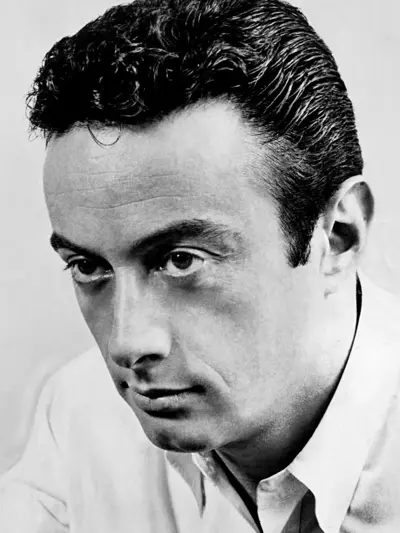
Leonard Alfred Schneider, better known by his stage name Lenny Bruce, was an American stand-up comedian, social critic, and satirist. He was renowned for his open, freestyle and critical form of comedy which contained satire, politics, religion, sex, and vulgarity. His 1964 conviction in an obscenity trial was followed by a posthumous pardon, the first in the history of New York State, by Governor George Pataki in 2003.
