H. G. Wells Quotes
Even men who were engaged in organizing debt-serf cultivation and debt-serf industrialism in the American cotton districts, in the old rubber plantations, and in the factories of India, China, and South Italy, appeared as generous supporters of and subscribers to the sacred cause of individual liberty.


During the Reign of Terror of the French Revolution some powerful Frenchmen in the French Colonies wanted to maintain the caste system to keep the Blacks and other indigenous people from claiming equal rights. They claimed that the colonies would perish. But the French Revolutionaries were committed to “Liberty, Equality, and Fraternity”, and Barnave summed up their viewpoint in this succinct statement of policy which became a memorable quotation.

This early draft was favored by the Northern Delegates but castigated by the Southerners for its criticism of the King England for supporting the slave trade. This is another example of Jefferson’s antipathy to slavery, a puzzle for historians, since he was himself a Southern slave owner at the time but never freed his own slaves.
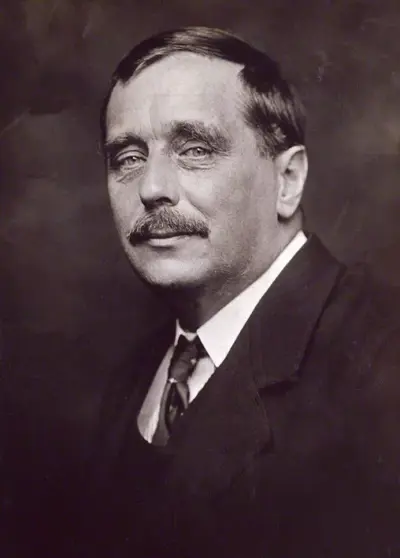
Herbert George Wells —known as H. G. Wells—was a prolific English writer in many genres, including the novel, history, politics, social commentary, and textbooks and rules for war games. Wells is now best remembered for his science fiction novels and is called a "father of science fiction", along with Jules Verne and Hugo Gernsback.[a] His most notable science fiction works include The Time Machine (1895), The Island of Doctor Moreau (1896), The Invisible Man (1897), and The War of the Worlds (1898). He was nominated for the Nobel Prize in Literature four times.
