George Carlin Quotes
Energy experts have announced the development of a new fuel made from human brain tissue. It's called assohol.
Carlin, George. Napalm & Silly Putty. Hyperion, 2001.


Statement when Chile built the first large scale Solar Powered Electric Generating facility in one of its deserts. The cost of electricity was less than half of that of the then existing generation with carbon based fuels like oil or natural gas, It was a major breakthrough bacuase while solor power was always clean and infinte, it had been more expensive to generate than carbon based power sources. The consinuous improvement in the solar collecting techno;ogy, the large scale of the Chlean facility and the terrific desert location combined to not only make solor power less expsnsive, but much less expensive than fossil fuels.

Almost a century later dirty vegetable oils from fast food restaurants were used in Diesel truck and tractor engines very effectively and efficiently.

Lott, like many other reasonably intelligent people who understood little about technology, did not realize that all the early efforts with a technology are relatively primitive and even the best ideas have to be engineered to scale and cost efficiency. A decade later, solar energy had become a significant industry in the work and the United States, which had invented many of the early technologies had lost the international lead in Solar Energy to Germany and China. The ultimate value of any technology cannot be judged by the initial technological efforts.

Rutherford had been the first to split the atom in 1919.


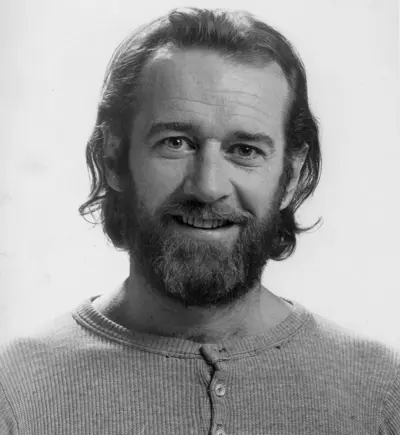
George Denis Patrick Carlin was an American stand-up comedian, actor, social critic, and author. Regarded as one of the most important and influential stand-up comics of all time, he was dubbed "the dean of counterculture comedians". He was known for his dark comedy and reflections on politics, the English language, psychology, religion, and taboo subjects. His "seven dirty words" routine was central to the 1978 United States Supreme Court case F.C.C. v. Pacifica Foundation, in which a 5–4 decision affirmed the government's power to censor indecent material on the public airwaves.
