Gleb Pavlovsky Quotes
Elections are separated from the process of endowing the state with power; they mount to an expensive ritual
He was referring to Russian elections. The reasons that elections in Russia are not necessary for legitimizing state power to be used by the current government, is that from the early days of the Russian Czars, the tradition and culture assumed that if there is a threat to "Mother Russia", everyone and everything in the state is at the disposal of the government, no matter who is in power. It is so strongly embedded in the culture that although many Russians want fee elections and the right to choose their leaders, they have no question that the government alway has the right and duty to marshall amm the human and physical resources to protect the state, See Quotation 644072 for more on this imporatnt concept in Russia.
Pavlovsky, Gleb. "Russian Politics Under Putin: The System Will Outlast Him." Foreign Affairs, vol. 95, no. 3, Council on Foreign Relations, 2016, pp. 10-17.

Such a comcept has been shared by most autocratic governments like Nazi Germany, but before and after Germans did not see this subservience to and power of the state as desirable or even necessary. The Vatican has had periods like this. But this Sistema has been a part of Russian culture during the millinium of Czarist rule. It was used andn explicitly made a part of Lennin and the Russian Revolutionaries, and then so heavily used by Joseph Stalin before, during and after WWII. It continued under the Post Stalinist Communist leader and when the Soviet Union fell and Russia became less authoratoran, it was not utilized but it was deeply embedded in the Russian psyche and culture as demonstrated by the fact that Vladimir Putin began t use it as an instrument of his governance.


This quotation illustrates the "winner take all" conceopt of many political cultures that call themselves and think of theselves as a democracy. But a true democracy does not allow a tyranny of the majority--especially a very narrow minority.


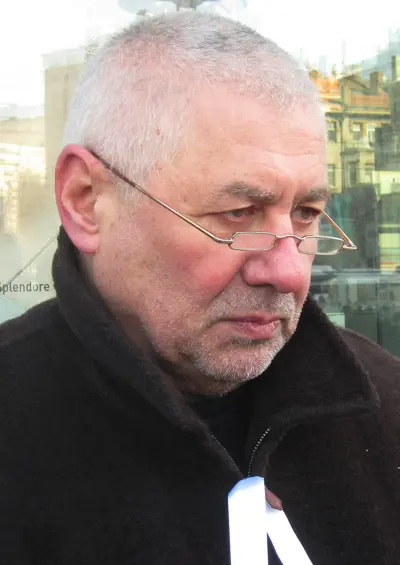
- Born: March 5, 1951
- Nationality: Russian
- Profession: Political Scientist
Gleb Olegovich Pavlovsky is a Russian political scientist (he describes himself as a "political technologist"). During the Soviet era, he was prosecuted as a dissident.
