George Eliot Quotes
An election is coming. Universal peace is declared, and the foxes have a sincere interest in prolonging the lives of the poultry.
George Eliot 1819-1880, English Author, Felix Holt
Sourced by: Eigen's Political and Historical Quotations


World War I veterans had been promised bonuses for their service, but Congress and the President would not deliver. The economy was terrible and thousands of veterans came to Washington, set up a camp in Anacostia, and asked for help and their bonuses. Hoover had given orders to General Douglas MacArthur to remove the protesters from government buildings, but MacArthur, establishing a pattern that he would follow throughout his career, exceeded he orders and chased the protesters all the way back to their tent camp and then destroyed the camp. The Great Depression was raging and the protesters had no other place to live, and Hoover opposed any direct federal aid to the poor and needy making the Depression even worse. The public reaction was shock and anger. Hoover, however, demonstrating political character and integrity, took the responsibility and did not blame MacArthur. It was the nail in Hoover’s political coffin. Roosevelt easily won the election.


He was referring to Russian elections. The reasons that elections in Russia are not necessary for legitimizing state power to be used by the current government, is that from the early days of the Russian Czars, the tradition and culture assumed that if there is a threat to "Mother Russia", everyone and everything in the state is at the disposal of the government, no matter who is in power. It is so strongly embedded in the culture that although many Russians want fee elections and the right to choose their leaders, they have no question that the government alway has the right and duty to marshall amm the human and physical resources to protect the state, See Quotation 644072 for more on this imporatnt concept in Russia.


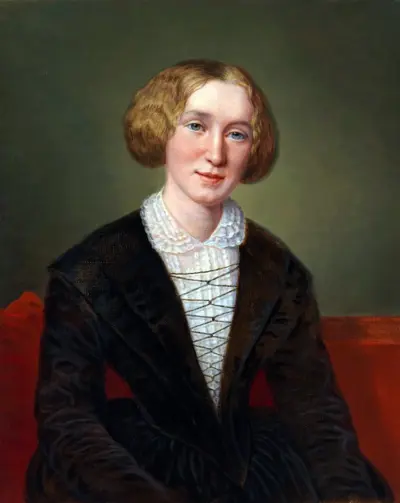
Mary Ann Evans, known by her pen name George Eliot, was an English novelist, poet, journalist, translator and one of the leading writers of the Victorian era. She wrote seven novels, Adam Bede (1859), The Mill on the Floss (1860), Silas Marner (1861), Romola (1862–63), Felix Holt, the Radical (1866), Middlemarch (1871–72) and Daniel Deronda (1876). Like Charles Dickens and Thomas Hardy, she emerged from provincial England and most of her works are set there. They are known for their realism, psychological insight, sense of place and detailed depiction of the countryside.
