Julius Caesar Quotes
Each owner of property fronting on the streets of Rome or on streets within a mile of Rome, on which there is continuous settlement now or in the future, shall keep such portion of the street in repair
This is a law that even exists today in most municipalities for sidewalks but not often for the streets themselves. This was probably the origin in Western law of the notion that property owners should be responsible for the public sidewalks or streets.
Julius Caesar, 100-44 BC, Roman Emperor, Law on Municipalities, 44 BC
Sourced by: Eigen's Political and Historical Quotations


The following year Brown ran for San Francisco mayor and won. Term limits had forced him out of the California Legislature.


This was a serious problem in major cities in the 1930s but became much worse over time as the cities grew and real estate values escalated. In modern times the problem even spread to affluent suburbs where the police, fire fighters, teachers, and other civil servants can often not afford to live in the community that they serve.

This quotation is notable because it illustrates some of the ideas about cities that were suggested at the time. The growth of the suburbs was the largest of the changes that actually tool place.


This quotation illustrates a very interesting historical fact about white understanding of Native American concepts of property and ownership. Here is a Scottsman before the American Revolution who is writing about American Indians and their communal concept of property. The “purchases” of Indian land from individual Indians therefore has even more doubt cast on the propriety than if the whites were acting in good faith. Furguson had personally visited North America for a brief visit.


This is one of the first examples in America of city planning.


Use included renting it. What he opposed was simply holding land when whites were driving Indians off their lands because all the unused land outside of the reservation was owned by someone and the asking price was very high. Ingersoll was considered to be the greatest orator and political thinker of his day, but his overt atheistic views curtailed his elected political career.

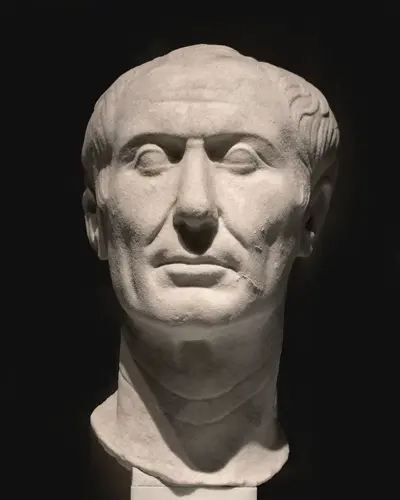
Gaius Julius Caesar was a Roman general and statesman who played a critical role in the events that led to the demise of the Roman Republic and the rise of the Roman Empire.
