Harriet Jacobs Quotes
DURING the first years of my service in Dr. Flint's family, I was accustomed to share some indulgences with the children of my mistress.
Jacobs, Harriet A. Incidents in the Life of a Slave Girl. Published for the Author, 1861, p. 44.

He was making a generalization based on his historical study of nations and societies.

Referring to the Arawak natives he found when he landed in the "new world—San Salvador:"


John Sutter was an immigrant to California from Switzerland where he became a Mexican citizen. Slavery was outlawed in Mexico and its territories, yet Sutter and others maintained Indians as slaves. The Roman Catholic Missions of California also kept Indian slaves. This quotation is historically important because many people never realized that slavery was prevalent in California.


This is an example of what was one of the worst perversions of slavery. This minister actually argued that Blacks were much better off as slaves and slavery served them well.


The Catholic Papacy was very ambivalent regarding the morality of slavery. Callistus, in effect authorized the morality of enslaving “infidels.” In the past this was a reaction to the Muslim ethic of banning slavery of Muslims but allowing it for “infidels.” This bull has been used to defend slavery ever since despite the fact that there are several other (before and after) Papal pronouncements condemning slavery. See {617550} , {617880} , {617632}

Abd al-Rahman Ibn Mohammad. He is generally regarded to be the World’s first social scientist. The largest statue in Tunisia of not of a military leader of king, but of this social scientist.

Indian and Black slaves were outlawed very early in Connecticut, not on moral grounds of concern for the Indians and Blacks, but because of the negative effects on the white poor. Why would anyone pay the poor any more than the amortization costs of a slave? Therefore there was no way a poor white could make a living wage if slavery were to coexist.

The slaves to which he is referring were the serfs of Slovakia who for hundreds of years had literally been the property of the Hungarian nobility. The problem however has been observed about any long-term slavery.


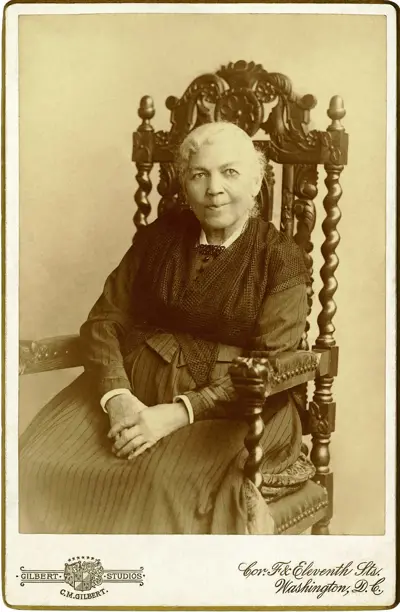
Harriet Jacobs was an African-American writer, whose autobiography, Incidents in the Life of a Slave Girl, published in 1861 under the pseudonym Linda Brent, is now considered an "American classic". Born into slavery in Edenton, North Carolina, she was sexually harassed by her enslaver. When he threatened to sell her children if she did not submit to his desire, she hid in a tiny crawl space under the roof of her grandmother's house, so low she could not stand up in it. After staying there for seven years, she finally managed to escape to the free North, where she was reunited with her children Joseph and Louisa Matilda and her brother John S. Jacobs. She found work as a nanny and got into contact with abolitionist and feminist reformers. Even in New York, her freedom was in danger until her employer was able to pay off her legal owner.
