Asma Jahangir Quotes
Duplicity in matters of religion is not confined to Pakistan, but it hurts the most in societies where debate on religion is asphyxiated and preachers of hate have become keepers of faith.
Jahangir, Asma. "Report of the Special Rapporteur on Freedom of Religion or Belief." United Nations Human Rights Council, United Nations, 2008.


He is a Greek Orthodox Christian, and he correctly observes that the Islamic world was considerably more tolerant than the Christian until the 18th century when Islam had become less tolerant in the Middle East while the Christians were modernizing and going through a cultural and intellectual enlightenment and societal modernization while the Muslims, became less tolerant than they were in earlier years leading to the modern situation.


Toleration is a relative term. The Muslim Moors made Christians (and Jews) pay a special tax. At times they were forced to wear special clothing so that they could be readily identified. And they could not build churches larger or taller than the smallest mosque in the community. At times, their occupations were restricted but at other times Christians and Jews were appointed to the highest positions like Vizier. The Inquisition, in contrast, forced all Muslims (and Jews) to leave the country without any of their property or money or be tortured and killed—usually by burning at the stake unless of course that they converted to Christianity.
In some countries political candidates run on religious platforms to convert the part of the population that is not of their religion and turn the nation into a theocracy.


While not in the Koran, this attributed statement is the basis for the ban on non-Muslims going on a Hajj and going to the most holy Muslim places—Mecca, Mina, Muzdalifa, and Arafat as well as the anti-religious hostility to all religions but Islam which is present in some Muslim countries.

It was not until 1780 that Catholics were allowed to even be members of Town Corporations.


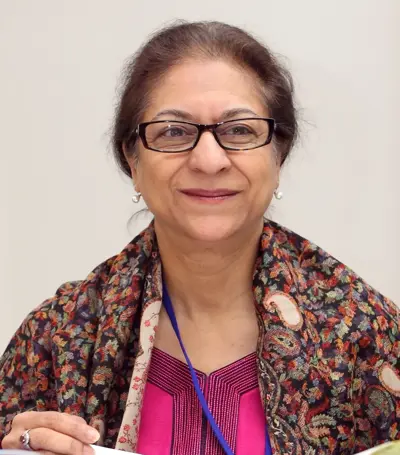
Asma Jilani Jahangir was a Pakistani human rights lawyer and social activist who co-founded and chaired the Human Rights Commission of Pakistan. Jahangir was known for playing a prominent role in the Lawyers' Movement and served as the United Nations Special Rapporteur on Freedom of Religion or Belief and as a trustee at the International Crisis Group.
