Sterling Hayden Quotes
Deterrence is the art of producing, in the mind of the enemy, the fear to attack.


These tactics were revolutionary in China and the rest of the world. They were unexpected and were very effective. The non communists however were corrupt, exploitative, and divided. The communist revolution in China might well have not succeeded had the capitalist forces not been so corrupt and badly led.


Washington was describing the British strategy at the start of the war. The expectation was not only that of the British high command in America but was the prevailing expectation in the Court, Parliament, and the media in London. British critics of the military strategy point to this as a key reason the British lost the war in the end. Instead of waiting for the American troops to fall apart during the hard winter and gain a cheap and easy victory, the critics argue that the British should have initiated full scale attacks on the weakened and ill provisioned American soldiers.


The huge Baltimore Flag was quickly commissioned from a local woman and her daughter and it was the one that was still flying, the morning after the British Bombardment of Ft. McHenry—the one referred to in the National Anthem.


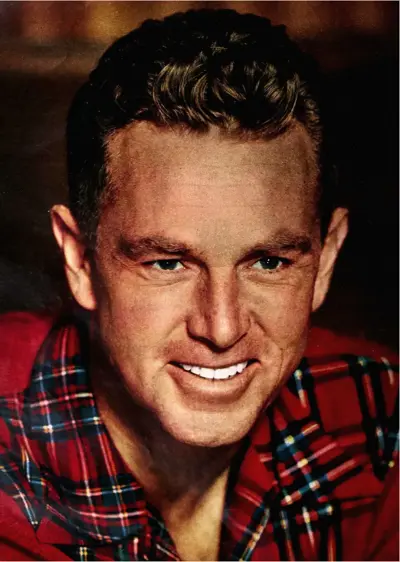
Sterling Walter Hayden was an American actor, author, sailor and decorated Marine Corps officer and OSS agent (from services during World War II). A leading man for most of his career, he specialized in westerns and film noir throughout the 1950s, in films such as John Huston's The Asphalt Jungle (1950), Nicholas Ray's Johnny Guitar (1954), and Stanley Kubrick's The Killing (1956). He became noted for supporting roles in the 1960s, perhaps most memorably as General Jack D. Ripper in Kubrick's Dr. Strangelove or: How I Learned to Stop Worrying and Love the Bomb (1964).
