Karl Kraus Quotes
Democracy means the opportunity to be everyone's slave.
Kraus, Karl. Sprüche und Widersprüche. Albert Langen, 1909.


This quotation is very interesting in that many of Mrs. Roosevelt’s detractors constantly accused her of being a communist. They obviously had not read this column of any of the many where she shows antipathy to Communism.


This quotation is historically important because Davis clearly states the reason for the rebellion of the South. The anti-slave states were growing at a greater rate than the slave states and despite the greater voting power that a southerner had (a result of the 3/5 count of slaves for census purposes, and the Senate), the handwriting was on the wall and the majority of the United States was against the vicious institution of slavery and would make it unprofitable, impossible and/or illegal in the coming years. Southern slavery advocates saw this as a “tyranny of the majority” and therefore took up arms. In the early 20th century, apologists for the Southern rebellion tried to promote the idea that there were reasons other than slavery, but this quotation and the resolutions of the states who withdrew from the Union make it clear that the right to maintain slavery was the only significant issue. In that sense it was a States’ Rights issue, but the South was opposed to States’ Rights when it came to States refusing to return fugitive slaves when Federal Law required such under the Dred Scott Supreme Court Decision.


Unlike most of his televangelist successors, Sheen was very ecumenical. He was clearly Catholic but had a very significant Protestant and Jewish Audience as well as Catholic.


De Tocqueville was generally concerned about what he saw as an inherent conflict between freedom and equality. Efforts to produce equality can lead in some cases to impingements on some freedoms or rights. Unlimited free rights can produce inequality and a de facto autocracy. Even in modern times America is struggling to find a proper balance.


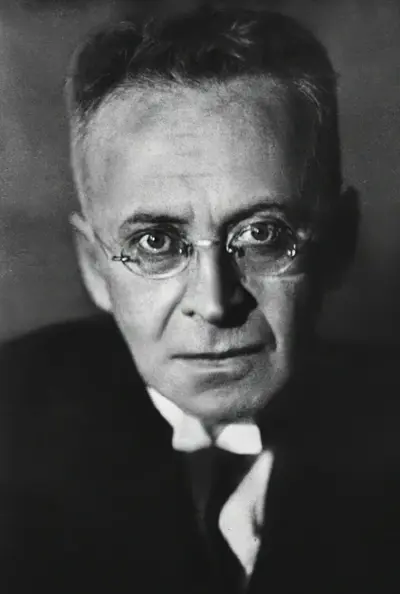
Karl Kraus was an Austrian writer and journalist, known as a satirist, essayist, aphorist, playwright and poet. He directed his satire at the press, German culture, and German and Austrian politics. He was nominated for the Nobel Prize in Literature three times.
