Carolina Maria de Jesus Quotes
Democracy is losing its followers. In our country everything is weakening. The money is weak. Democracy is weak and politicians are very weak. Everything that is weak dies one day.
Carolina Maria de Jesus, Brazilian Writer, Child of the Dark, 1962
Sourced by: Eigen's Political and Historical Quotations


Explaining his reasons for staging a military coup in the Sudan:


When ambassador to Great Britain, he was very supportive of the British Fascists, and was an admirer of Adolf Hitler. Once war with Germany was commenced, Kennedy predicted that England would lose the war and became a fascist puppet state controlled by Germany. He opposed Lend Lease and the other efforts of the Roosevelt administration to assist England to fight off the Germans. Ironically his oldest son died in a dangerous volunteermission fighting Germany in the War. Kennedy's earlier pro-German views ended his political career and was an embarassment to his sons when they entered politics.


See {598081} for a similar idea expressed by his wife Hillary.


He had been offered a Cabinet position in Washington. He had been a respected judge in Ohio and was only tangentially involved with politics. What he did see of it he did not like. However, others pressed upon him his duty to help the country and he took the position. But he was never comfortable or even very skilled and the political end of Cabinet service but he was extremely skilled at the administrative and policy making aspect. Theodore Roosevelt personally selected him to be his successor and Roosevelt get him elected. Even when he was President, he rarely enjoyed it and was not very good at the political end of things which caused Roosevelt to be disappointed and then campaign against Taft’s second term.


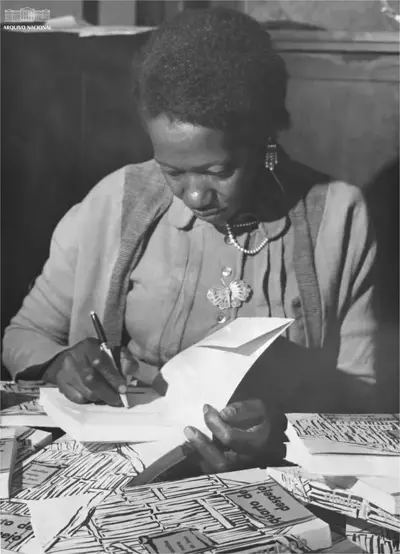
Carolina Maria de Jesus was a Brazilian outskirts memorialist who lived most of her life as a slum-dweller. She is best known for her diary, published in August 1960 as Quarto de Despejo (lit. Junk Room, English title Child of the Dark: The Diary of Carolina Maria de Jesus) after attracting the attention of a Brazilian journalist, which became a bestseller and won international acclaim. The work remains the only document published in English by a Brazilian slum-dweller of that period. De Jesus spent a significant part of her life in the Canindé favela in North São Paulo, supporting herself and three children as a scrap collector.
