William Benbow Quotes
Crimes of the Clergy
Although a Protestant Minister himself he called for major reform of the church. He made little headway except to inform public opinion. He died in prison where he was incarcerated for “libel and sedition” major crimes in England at that time which had no freedom of speech or of the press guaranteed by a Bill of Rights.
William Benbow, 1784-1841, English Protestant minister, reformer, pamphleteer and publisher, Title of Pamphlet Exposing the Corruption and Excesses of the Church of England Clergy
Sourced by: Eigen's Political and Historical Quotations


Some of the founding fathers were deeply religious men while others were not so. Some varied in their believes at different times of their lives, and a number were not very favorable towards orthodox religion. At the time, Roman Catholic and Protestant churches were persecuting other religions throughout Europe and people were still being killed for their heretical beliefs. Most important to some of them, kings and other monarchs whom they abhorred, all at the time claimed the Divine Right of Kings and the established churches were the most important support for monarchs. At the time most organized religions were opposed to freedom of conscience and certainly opponents of separation of church and state. American churches tended to take on American values but were never given the chance to dominate the American government they way many had in Europe and the rest of the world.

The Islamic Holy Book even recommends against friendships with Christians and Jews. See {584381}.


Ingersoll was considered to be the greatest orator and political thinker of his day, but his overt atheistic views curtailed his elected political career.
Jefferson was not anti-Christian as some accuse him. He was a great admirer of Jesus’ life and philosophy. He did object to the non-ethical aspects of Christianity—the rituals, miracles, dogma, hierarchy, and organized churches. See {611664} . Jefferson even went so far as to compile his own version of the Bible—New Testament sometimes called the “Jefferson Bible”—where he translated the material and then extracted the ethical principles leaving out everything else.


The official position of the church was against the child molestation and rape by pedophile priests as it was against artificial contraception. Harris based his conclusion on the effort the church leaders and priests were making for each of the two issues. While the Pope condemned in no uncertain terms the pedophilia of the priests, the sermons and the literature of the church dealt with contraception much more frequently. At the time, the church was still covering up the sex scandal and some church officials were still in denial as to the extent. When the Pope was a cardinal, he also contributed to the cover-up, claiming to be hamstrung by the limitations of cannon law with regard to defrocking perverted priests.


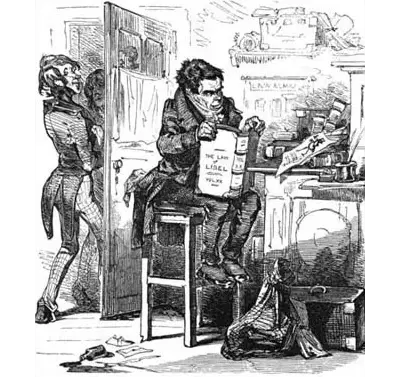
William Benbow (1787 – 1864) was a nonconformist preacher, pamphleteer, pornographer and publisher, and a prominent figure of the Reform Movement in Manchester and London. He worked with William Cobbett on the radical newspaper Political Register, and spent time in prison as a consequence of his writing, publishing and campaigning activities. He has been credited with formulating and popularising the idea of a general strike for the purpose of political reform.
