Emil Cioran Quotes
Crime in full glory consolidates authority by the sacred fear it inspires.
Cioran, E. M. History and Utopia. Translated by Richard Howard, Arcade Publishing, 1998.


The “customs” were ceremonies where criminals were executed along with enemy raiders who were captured.


The terror to which he referred was to the French Revolution’s executing former aristocrats and then including anyone suspected of monarchist sympathies. This quotation shows how fanatics can rationalize evil as justice.

Terror conceptually in France and some other countries was the tool the government used to inhibit criminals.


1st Marquees of Halifax. Even in the 18th century, it was realized that capital punishment was not a particularly good deterrent. Savile and others observed that there was a significant vengeance motive for state execution.
This interesting historical quotation illustrates the fact that in almost every American generation there are those who believe that society has gone too far in protecting the rights of criminal suspects at the expense of law and order in the general society. This is nothing new. This is a classic argument given by those who would deny a defendant the Constitutional protection against self-incrimination. The belief that an innocent man has nothing to fear from the police is refuted by the many cases of innocent men being convicted by evidence they have given in the belief that they were innocent, and served long jail sentences only to later be proved by DNA evidence that they could not possibly have been guilty. Since Nott’s day, society has not only found many cases where honest error was made by the police or prosecutors, but many where there was venal prosecutorial misconduct and defendants were jailed even though the authorities were aware of evidence of innocence and kept it secret. There have been a number of these cases where a defendant was on death row and about to be executed when it was found he was innocent. Probably there have been men wrongly executed. See {629444} for a probable example.

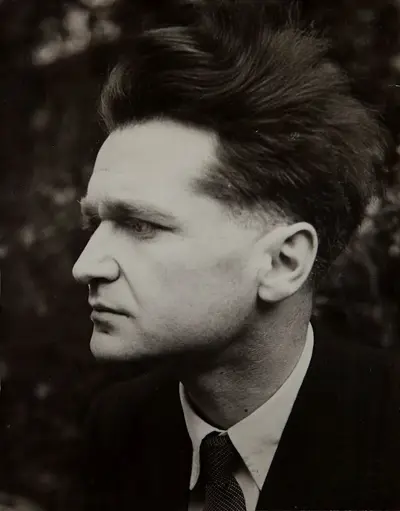
Emil Mihai Cioran was a Romanian-born philosopher and essayist, who published works in both Romanian and French. His work has been noted for its pervasive philosophical pessimism, style, and aphorisms. His works frequently engaged with issues of suffering, decay, and nihilism. In 1937, Cioran moved to the Latin Quarter of Paris, which became his permanent residence, wherein he lived in seclusion with his partner, Simone Boué.
