Joseph McCabe Quotes
Creeds made in Dark Ages are like drawings made in dark rooms.
McCabe, Joseph. The Story of Religious Controversy. The Stratford Company, 1929.

The Illuminati was a secret society. At the time, anyone who differed with the Church on issues of philosophy, ethics or religion could be tortured and burned at the stake, and anyone who criticized the Monarchy could be tortured and hung or beheaded. The result was the concept of a secret society of which the Illuminati was one.

Even in free America, Allen had a very difficult time getting this work printed because it was so controversial culturally. He argued that existing religions contribute to superstitious fears of the population.


He was writing about the superstitions that there were specific people—witches and warlocks—whose magic could bring hail, thunder and other natural phenomena. At the time he wrote this most educated clerics believed in witchcraft and magic.


Some scientists are religious believers. Many are not. However, relatively few hold the position that Dawkins does that religion is and has been an evil force in the world. These argue that religions and religious factionalism has caused as many deaths as epidemics and pandemics and is an evil for society. While that argument has been historically true in much of the world, religious conflict deaths has actually decreased in frequency over the last century and may be at a world-wise low as a percentage of the world population. With the exception of Islamic fundamentalist extremism, there is no religious group that advocates religious violence and has a majority of any country. Moderate Muslims have never before been in greater numbers, so it can be argued that modern society and most religions have been reforming themselves over the years.


He was an overt atheist; there were many non believers in Europe at the time but few were overt. He also wrote under the name of Jean Baptiste de Mirabaud.
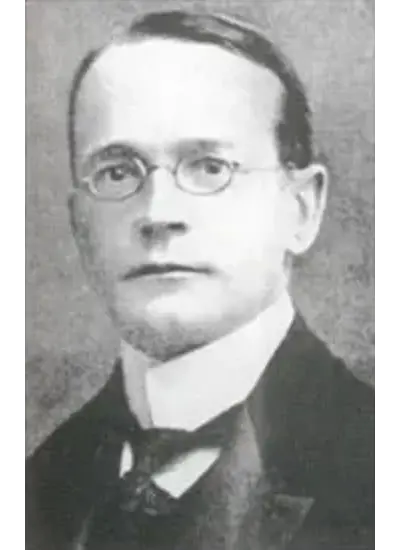
Joseph Martin McCabe was an English writer and speaker on freethought, after having been a Roman Catholic priest earlier in his life. He was "one of the great mouthpieces of freethought in England". Becoming a critic of the Catholic Church, McCabe joined groups such as the Rationalist Association and the National Secular Society. He criticised Christianity from a rationalist perspective, but also was involved in the South Place Ethical Society which grew out of dissenting Protestantism and was a precursor of modern secular humanism.
