Calvin Coolidge Quotes
Character is the only secure foundation of the state.
Calvin Coolidge, 1872-1933, 30th President of the United States (Republican, MA), Speech, New York City, February 12, 1924
Sourced by: Eigen's Political and Historical Quotations


In the early 21st century America’s world image, credibility, and popularity had plummeted to new lows. The George W. Bush administration spent millions of dollars on public diplomacy – public relations, propaganda, and image building using the techniques of Madison Avenue to change the world perception of America. Veteran diplomats like Kissinger advised that the Bush was going about it backwards. If America did the right things, world opinion would appreciate it and America’s credibility will follow as it has throughout most of the 20th century. Most foreign politicians and journalists tended to agree. It had been Bush’s policies and practices that had been disliked. They were understood, it was argued, and did not need to be better explained—just changed.


Samuel Langhorne Clemens, 1835-1910. From the point of view of the person or company that bribes or gives campaign contributions to legislators, there has often been a problem that when the heat is on the legislator might begin to refrain from voting as was expected. Twain was joking in this quotation by using the world “morality” to describe the obligation of the legislator to vote for the interest of the briber or campaign contributor. However, there were several major businessmen who actually saw the bribed legislator as having a moral and ethical duty to continue to protect the interest of the briber.


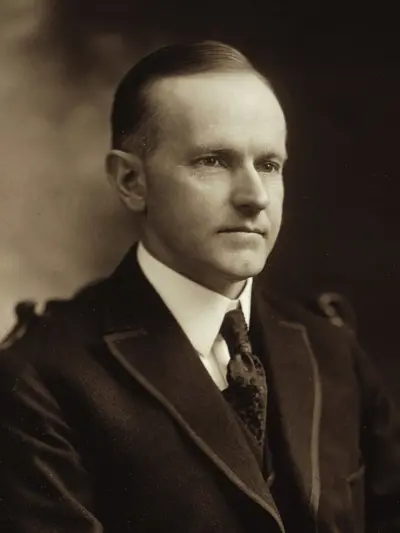
Calvin Coolidge was an American lawyer and politician who served as the 30th president of the United States from 1923 to 1929. A Republican lawyer from New England, born in Vermont, Coolidge worked his way up the ladder of Massachusetts state politics, eventually becoming governor of Massachusetts. His response to the Boston Police Strike of 1919 thrust him into the national spotlight and gave him a reputation as a man of decisive action. The next year, he was elected the 29th vice president of the United States, and he succeeded to the presidency upon the sudden death of Warren G. Harding in 1923. Elected in his own right in 1924, he gained a reputation as a small-government conservative and also as a man who said very little and had a rather dry sense of humor.
