Hjalmar Schacht Quotes
But the memory of war weighs undiminished upon the people's minds. That is because deeper than material wounds, moral wounds are smarting, inflicted by the so- called peace treaties.
Schacht, Hjalmar. The End of Reparations. Translated by Lewis Gannett, Jonathan Cape & Harrison Smith, 1931.


This is an important historical quotation because it suggests some of the thinking, irrational though it may have been, that led many post war Germans onto an irrational and self defeating course of action. Emotional factors such as dignity, fairness, and honor can be significant drivers of irrational and self destructive action. Nazi Germany was a classic example. Many leading Germans thought the Treaty of Versailles that was imposed on them at the end of the First World War was too harsh and unfair. Many from the countries victimized by the German military aggression also thought the treaty unfair as it did not treat Germany harsh enough.


Lee was trying to negotiate a peace treaty as a part of his his potential surrender. However, Grant would not be drawn into that, Lee was NOT the government of the Confederacy, and Grant had served with him earlier in the Mexican War and knew he was not a fanatic on teh subject of slavery and race as most of the Southern leaders were. They werenthe ones who would have to be captured or driven to surrender. Grant could have gotten authoirioty as he was in almost real time contact with President Lincoln by telegraph. However, neither wanted to negotiate peace with Lee. Instead, Grant gave Lee and his men incredibly gracious termsof surrender which he and Lincoln hoped would casue the avarage Southern soldiers to feel better about surrender for although Lee's was the largest Confederate Army, there were still others out there that had to be dealt with,

He was the most decorated soldier in WWII with 21 medals.


At the time she was herself in exile in Jordan where she worked with the over 1 million Arab refugees (from both Syria and Iraq) in Jordanian refugee camps. The contrast between the two groups of refugees she found dramatic.


Lincoln was depressed when the Union had over 30,000 casualties in a two-week time.
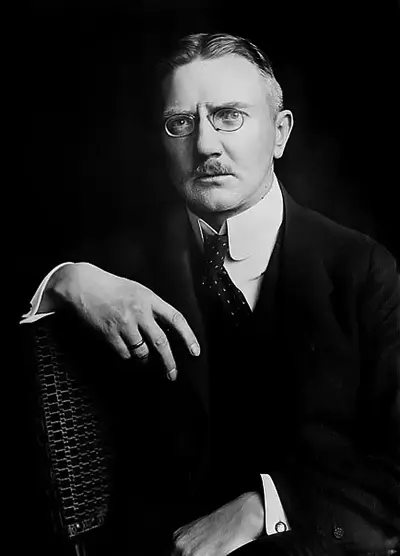
Hjalmar Schacht was a German economist, banker, centre-right politician, and co-founder in 1918 of the German Democratic Party. He served as the Currency Commissioner and President of the Reichsbank under the Weimar Republic. He was a fierce critic of his country's post-World War I reparation obligations.
