Gordon B. Hinckley Quotes
Brigham Young had a prophetic vision.
Hinckley, Gordon B. Teachings of Gordon B. Hinckley. Deseret Book Company, 1997, p. 55.


Von Wackerbarth was one of the many Mormon haters of his day. His quotations have value not for the accuracy of the facts which are scant, but to indicate what much of public opinion regarding Mormons was in that day.


The use of “despotic” did not imply cruelty or even poor management of the society. The term was used to indicate that Brigham Young, the then Mormon Leader, had the powers and authority of a dictator. At the time most Americans in the East knew little about the Mormons. Ludlow was one of the early observers of Mormon society in Utah who wrote about the Mormons in popular—albeit intellectual—magazines. Ludlow regarded Mormonism as it was then practiced as incompatible with, and dangerous for, America, not because of the plural marriage, but the conflicts with the concepts of democracy and self-government. The authority that Brigham Young and the church then exercised over civil life was what distressed him and many other Americans.


Referring to the prophet Jared and his family in search of the Promised Land.


At the time, the land there was so inhospitable that other Americans had no designs on it. Surviving and then thriving there was one of the great settlement accomplishments in the history of the world.

The Mormons wanted Utah to be a United States territory or a state with an extreme state’s rights mentality whereby their religious doctrine in the Book of Mormon could be state law and at the time the Constitution had not yet been amended to require the state governments to adhere to the Bill of Rights or other Federal laws. In effect they wanted a democratic type of theocracy. See {619869}. The Mormons would not agree that Federal law should govern their community or people, and war with the Federal government was imminent. In an ironic twist, Johnson, a Texan, rebelled against the nation himself several years later when he became a Confederate General. He was the highest ranking Confederate Officer killed in Battle—at Shiloh.

Federal officials and commissioners issued laws, directives and orders that were very unpopular with the Mormons who were in the overwhelming majority of the Utah territory. The Mormon “government” was a type of theocracy but a very popular one. The Mormons tried to test the constitutionality and legality of the Federal laws and orders before they would obey. The government position was that they should obey and then could test the laws in the courts. The Mormons eventually lost in the courts anyway, but the principle of obedience to law until it can be tested and reversed has generally been the rule of U. S. Law. However, civil disobedience in which many religions have engaged in our history argues the obverse. Eventually Taylor had to go “underground” and rule the church from exile in which state he died.
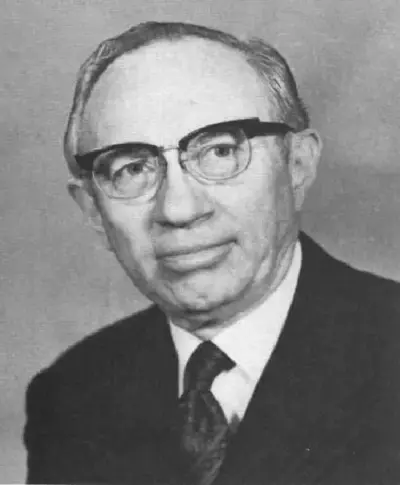
Gordon Bitner Hinckley was an American religious leader and author who served as the 15th President of The Church of Jesus Christ of Latter-day Saints (LDS Church) from March 1995 until his death in January 2008 at age 97. Considered a prophet, seer, and revelator by church members, Hinckley was the oldest person to preside over the church in its history.
