Herman Gorter Quotes
Because in Russia you were able to triumph with the help of a large class of poor peasants, you represent things in such a way, as if we in Western Europe are also going to have that help.
Gorter, Herman. Open Letter to Comrade Lenin. Wildcat, 1989.


This is a very important historical, political quotation. The conservatives have since the Russian Revolution conflated socialism and communism. However, here in 1932 the leader of the American Socialist Party had already described the Communist Revolution in Russia as a failure of founding an acceptable modern state. Nonetheless, even into the 21st century many conservatives describe Thomas as a Communist. See {626692} for his distinction between Communism and Socialism. The difficulty of modern nation building was explained by Thomas and others but was really not accepted until the many attempts of the early 21st century, some supported by America like Iraq and Afghanistan and the Balkans and others like the “Arab Spring.” Then his early wisdom on this point became more appreciated.


The extreme left wing revolutionists were counting on a continuing of the Great Depression’s pattern of lowering the average standard of living to produce a revolution and a downfall of capitalism in America. They saw Roosevelt and the New Deal as the element that could prevent the radical change so they opposed the President and his programs. However, when Russia needed the material support of the capitalist countries for its fight with Nazism, the Party line changed and Roosevelt was no longer attacked by the communists but was actively supported. Communists became “patriotic” all of a sudden.


The letter was widely published. There were few left wing intellectuals who would take Lenin on at the time but Gorter was one. The immediate quotation shredded a brochure that Lenin had produced for world wide communism where he was critical of other left wing movements.


Vladimir Lenin
Zenzinov was often a critic of the Bolsheviks.


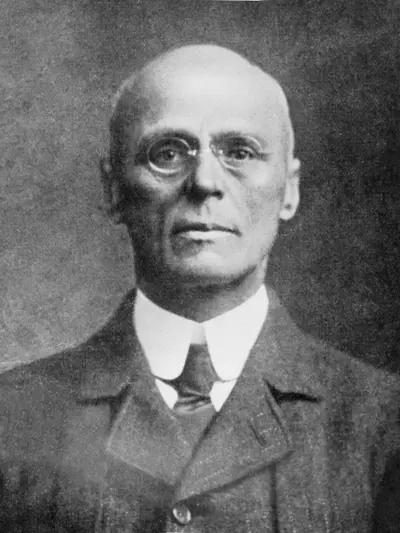
Herman Gorter was a Dutch poet and socialist. He was a leading member of the Tachtigers, a highly influential group of Dutch writers who worked together in Amsterdam in the 1880s, centered on De Nieuwe Gids (The New Guide).
