Frank Herbert Quotes
Atrocity is recognized as such by victim and predator alike, by all who learn about it at whatever remove. Atrocity has no excuses, no mitigating argument. Atrocity never balances or rectifies the past. Atrocity merely arms the future for more atrocity. It is self-perpetuating upon itself - a barbarous form of incest. Whoever commits atrocity also commits those future atrocities thus bred.
Herbert, Frank. God Emperor of Dune. G.P. Putnam's Sons, 1981.


Sectarian fights had begun to break out two years before. These escalated in ferocity and soon there were some deaths. But this event of terror, torture and atrocity against a family that was not fighting changed the nature of the interreligious Irish conflict forever. The outraged Protestants organized and armed themselves and things came to a climax in September 1795 when there was an armed battle in which the Protestants killed 30 Catholics who were now calling themselves “Defenders”, with few losses. They then marched to Longhgall and there, in the home of James Sloan the Orange Order was founded and the two groups fought each other for the next 200 years.


A Cossack revolt had broken out in 1707 and was put down by the Czar’s forces. He then issued what might be one of the first official orders for genocide. Few Cossacks survived.

At the time. the Islamic government supported forces in Sudan systematically raped as many women as they could in order to intimidate the Christian rebels. At around the same time, a village council in Pakistan had ruled that a Pakistani woman should be gang raped as punishment to her family for the alleged transgressions of her brother. African rebels were also using the tactic as an intimidation tactic.

Yuliy Osipovich Martov. Criticism of the Bolshevik behavior in dealing with counter-revolutionaries in the civil war that followed the Russian Revolution. This despite the fact that the death penalty had been abolished right after the Revolution. See {590510}
First Published American Indian Author. His last public speech. He was referring to a horrible massacre of Christian Indians and the polarizing effect that such conflicts had. Whosoever publicly castigated a massacre of whites or Indians would be met by accusations of condoning the massacres of the other side and ignoring the inevitable and natural seeking of retaliation for future protection and revenge.

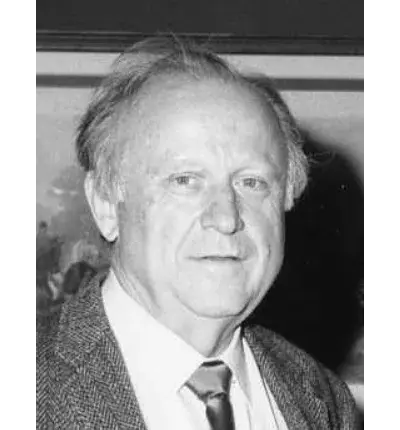
Franklin Patrick Herbert Jr. was an American science-fiction author best known for the 1965 novel Dune and its five sequels. Though he became famous for his novels, he also wrote short stories and worked as a newspaper journalist, photographer, book reviewer, ecological consultant, and lecturer.
