John MacDonald Quotes
As for myself, my course is clear. A British subject I was born - a British subject I will die. With my utmost effort, with my latest breath, will I oppose the 'veiled treason' which attempts by sordid means and mercenary proffers to lure our people from their allegiance.
Macdonald, John A. "To the Electors of Canada." 7 Feb. 1891. Memoirs of the Right Honourable Sir John Alexander Macdonald, by Joseph Pope, vol. 2, J. Durie & Son, 1894, p. 336.


“Lord Haw Haw” was the name that he used in his propaganda broadcasts from Germany to England. Despite the fact that the broadcasts were anti-British and pro German, many in Britain listened to him regularly. He was very witty and many of his criticisms of British society were views held by many patriots in Britain. As pure entertainment, he was better than most of the BBC broadcasts during WWII. At the end of the war, Joyce was captured, tried and executed for treason.


Power to legislate had just been given to Hitler and his cabinet.

This is another example of a common practice amongst dictators and extremists of the Right and the Left. First they define “Patriotic” as accepting and following their norms, politics, regulations or laws. Then they define out any dissidents as not bona fide citizens of the nation. In the next step, the lack of citizenship and patriotism allows imprisonment, torture and even death at times. It is one thing to accuse dissidents as being citizens in opposition to the existing government; it is quite another to define them as no longer a citizen who is entitled to the respect or rights of a citizen. This was typical of both Soviet Communism in the 1950s and the followers of Senator Joseph p. McCarthy in the United States.


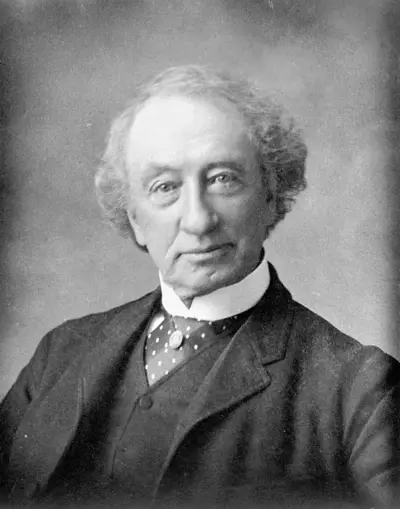
Sir John Alexander Macdonald GCB PC QC was the first prime minister of Canada (1867–1873, 1878–1891). The dominant figure of Canadian Confederation, he had a political career that spanned almost half a century. Macdonald was born in Scotland; when he was a boy his family immigrated to Kingston in the Province of Upper Canada (today in eastern Ontario). As a lawyer, he was involved in several high-profile cases and quickly became prominent in Kingston, which elected him in 1844 to the legislature of the Province of Canada. By 1857, he had become premier under the colony's unstable political system.
