Matt Taibbi Quotes
An unregulated derivatives market essentially gives Wall Street a way to place hidden taxes on everything in the world.
Taibbi, Matt. Griftopia: Bubble Machines, Vampire Squids, and the Long Con That Is Breaking America. Spiegel & Grau, 2010, p. 88.


She had warned about the unregulated derivatives 10 years earlier, but to no avail. See {637987}. Then when she had been proven prescient in the Meltdown of 2008, Congress was more interested in how she thought they could prevent future problems with derivatives. Some were adopted but not all. The financial institutions claimed that they needed derivatives to hedge positions and hence “stabilize” the system. Of the members of Congress who voted on this issue, almost none understood derivatives and credit default swaps were and how they worked. But some were sure they were bad, and others were sure that they were necessary for stability. Derivatives can, and did, get so complicated that the people who originally created them sometimes cannot tell whether they are at risk or not. Even computer cannot calculate the value and risks of these instruments because the values and risks depend on what happens to other companies or instruments which themselves have derivatives insuring them. See {620038} for a good description of the difficulty.


While the majority of the country approve of a financial transaction tax on the stock market, the financial industry has always fought it tooth and nail. It was a long tradition that the Barons and leading aristocrats lands were exempt from the taxes of the king, the most powerful forces in a democracy have lobbied to avoid taxation on their enterprises and finance is one of the very few business areas that have avoided taxation in America. Other than not liking taxes in general, Wall Street and the Banks argue that many financial transactions involve buying and selling securities in huge volume and making a tiny percentage on each share. If there were a tax of even a fraction of one percent, all these profitable trades would become unprofitable. Critics argue that that kind of speculating does not help the economy at all, and is what makes the discriminatory, unfair, computer trading possible and it would be a good reform to make that kind of trading unprofitable as more than 99 percent of the people cannot participate in it nor profit from it.
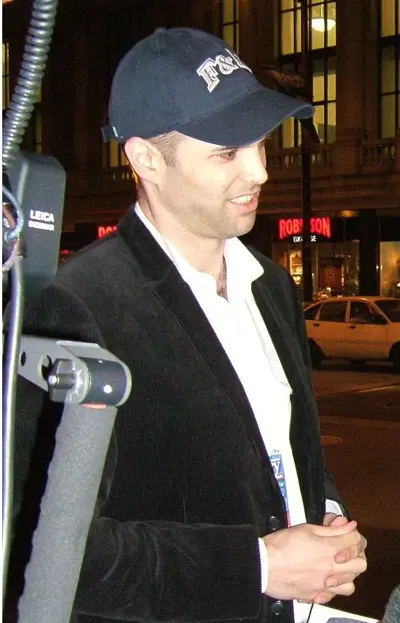
Matthew C. Taibbi is an American author, journalist, and podcaster. He has reported on finance, media, politics, and sports. He is a contributing editor for Rolling Stone, author of several books, co-host of Useful Idiots, and publisher of a newsletter on Substack.
