Paul Samuelson Quotes
An intriguing paradox of the 1990s is that it isn't called a decade of greed.
Samuelson, Paul A. Syndicated Column. Tribune Media Services, 2000.


At the time, there was generally only a single newspaper in an area in New Zealand.


Arguably, for most of American History, most of the “smartest” people contributed to manufacturing, construction, research and development—activities that produce things that are wanted and/or needed. However, Wall Street began attracting and paying for some of the smartest people in the society, who when they engaged in finance—not only contributed less to manufacturing, but began to create highly complex financial instruments and procedures that few people could understand and with which regulators have difficulty understanding. These and the other schemes of financing have been major factors in the economic problems that have beset the economy including the meltdown of 2008 and the subsequent Great Rescission.

Trump himself was known for being quite greedy and this admission was made before the Wall Street firms had been shown to be as greedy as they were during the aftermath of the 2008 economic meltdown recession when Wall Street Executives had their entire industry bailed out by the average taxpayer. Then they demanded their multi-million dollar bonuses while a large proportion of the people whose taxes bailed them out, were put out of work themselves by the greed, risk and profligacy of Wall Street.
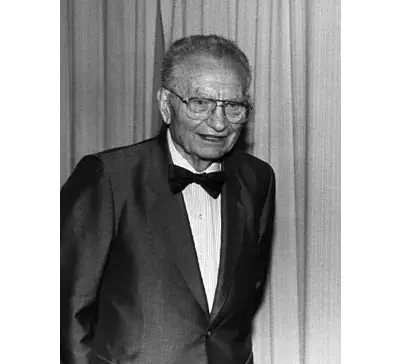
Paul Anthony Samuelson (May 15, 1915 – December 13, 2009) was an American economist who was the first American to win the Nobel Memorial Prize in Economic Sciences. When awarding the prize in 1970, the Swedish Royal Academies stated that he "has done more than any other contemporary economist to raise the level of scientific analysis in economic theory". Economic historian Randall E. Parker has called him the "Father of Modern Economics", and The New York Times considers him to be the "foremost academic economist of the 20th century".
