James Mooney Quotes
Among the southern tribes, on the contrary, hats were sometimes worn in the dance, although this was not considered in strict accordance with the doctrine.
Mooney, James. The Ghost-Dance Religion and the Sioux Outbreak of 1890. Government Printing Office, 1896, p. 921.


At the time, headwear identified the wearer’s caste and class. Fezes, Turbans, etc. were eliminated in favor of hats. This was Ataurk’s solution to two problems: He wanted to have Turkey modernize and develop along the lines of Western democracy and the traditional Islamic headgear being replaced by Western hats were daily symbols of the national modernization. The second advantage was that Turks could no longer identify caste and class by the traditional headgear and the society became much more egalitarian which it has been ever since.


The large communal worship of Muslim men is dramatic throughout the Islamic world for the non-participation of women. However, as this quotation demonstrates, it was not always thus. There is precedent for large communal Islamic worship of women.


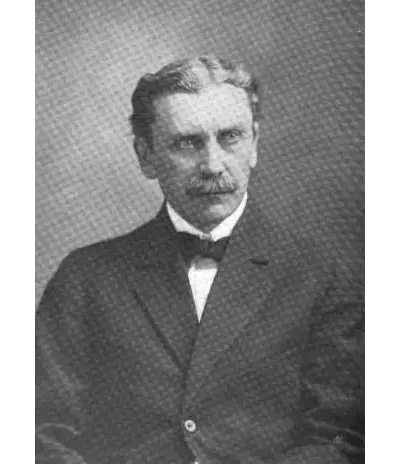
James Mooney was an American ethnographer who lived for several years among the Cherokee. Known as "The Indian Man", he conducted major studies of Southeastern Indians, as well as of tribes on the Great Plains. His most notable works were his ethnographic studies of the Ghost Dance after Sitting Bull's death in 1890, which was a widespread 19th-century religious movement among various Native American culture groups; and his works on the Cherokee: The Sacred Formulas of the Cherokees (1891), and Myths of the Cherokee (1900). All were published by the US Bureau of American Ethnology, within the Smithsonian Institution.
